


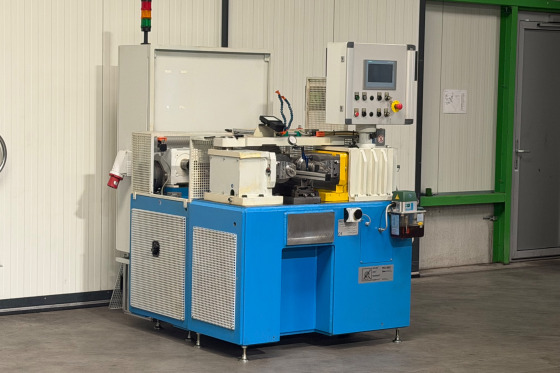
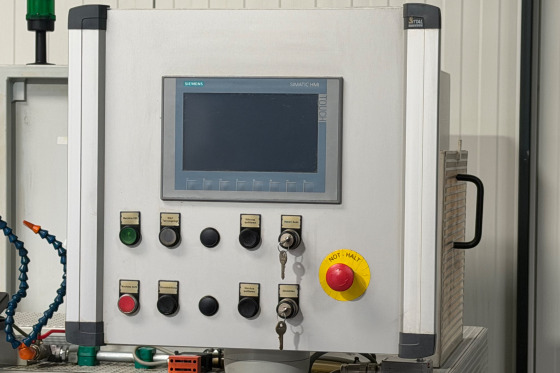
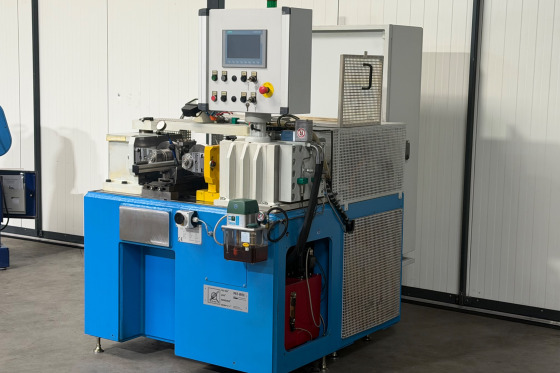
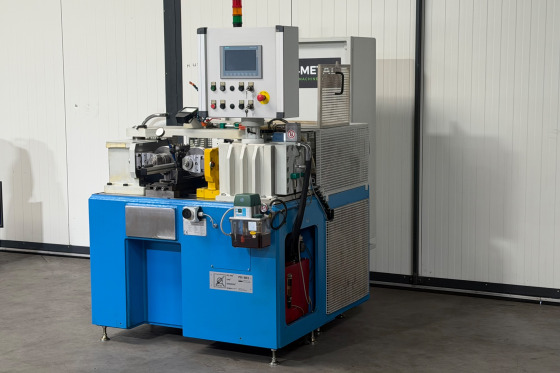
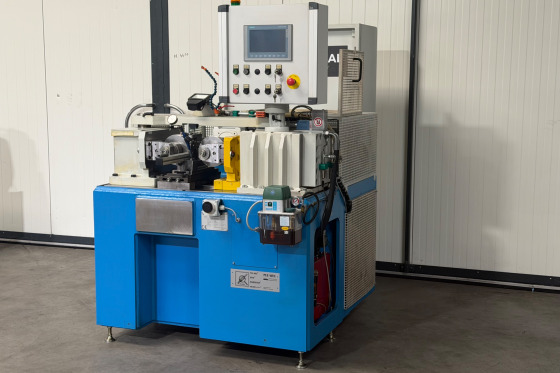
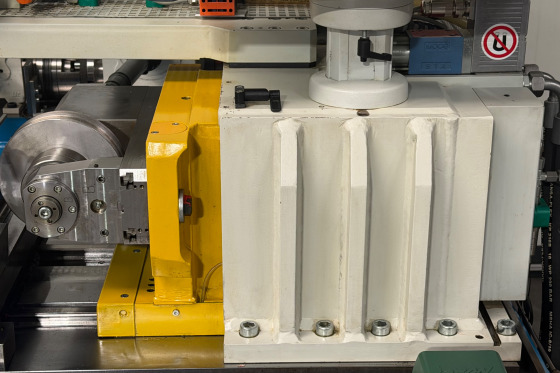
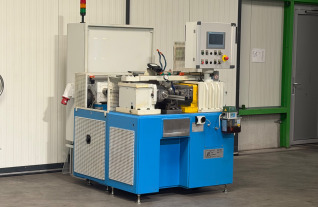
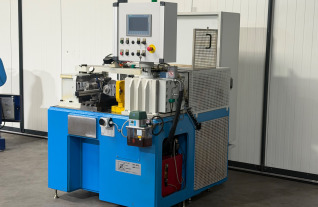
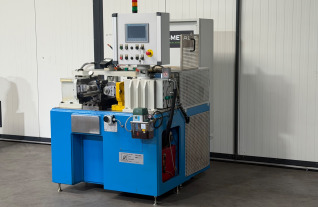
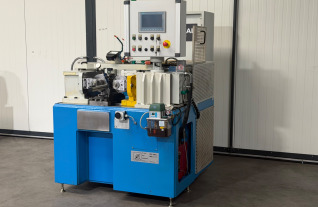
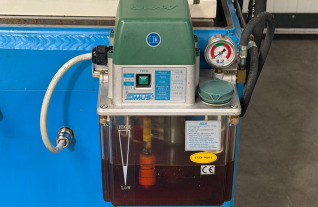
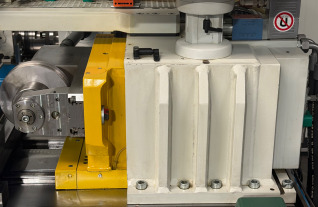
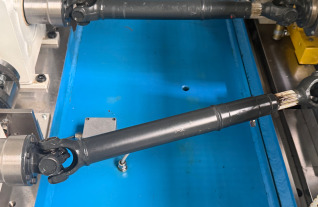
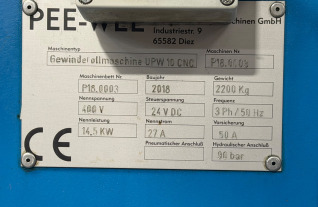
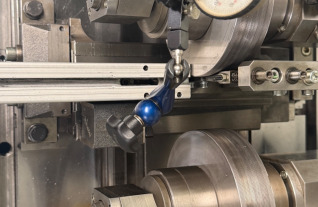
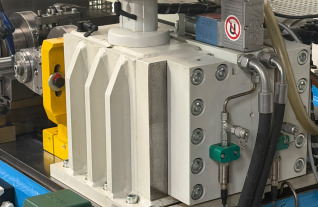
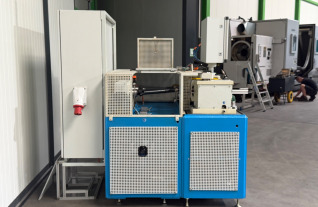
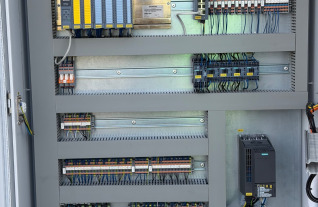
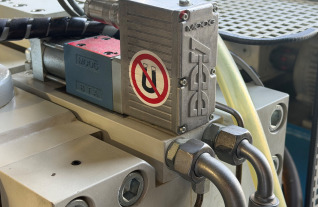
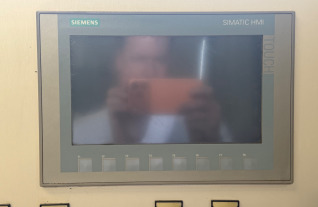
Treading machine PEE-WEE - P10CNC
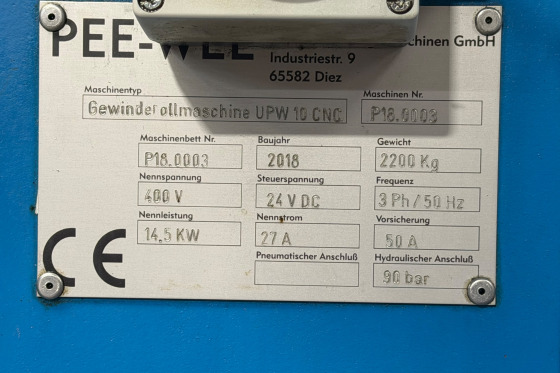
MACH-ID 9816| Make: | PEE-WEE |
| Type: | P10CNC |
| YOP: | 2018 |
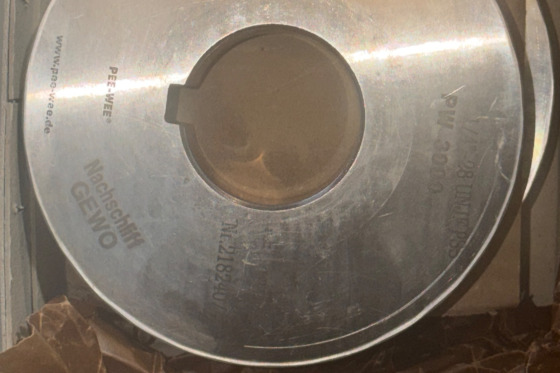
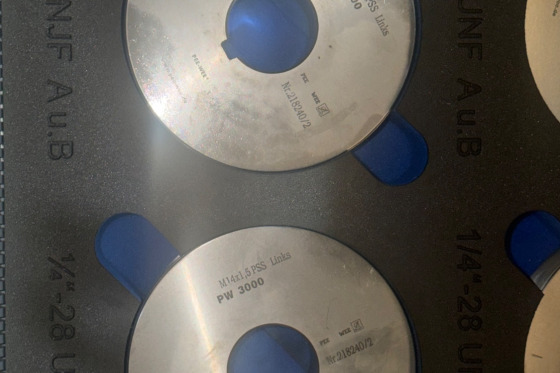
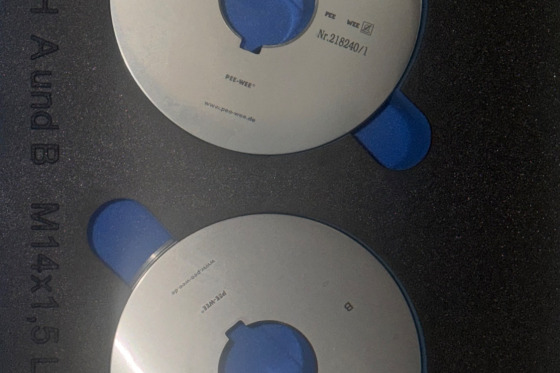
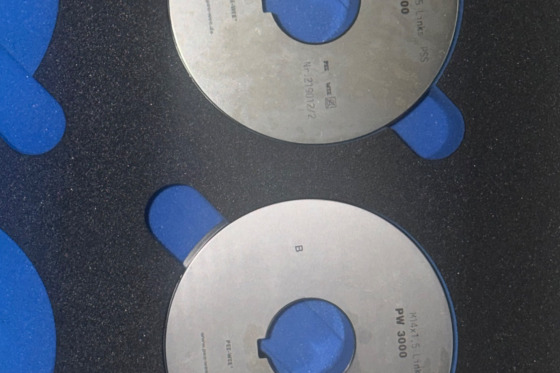
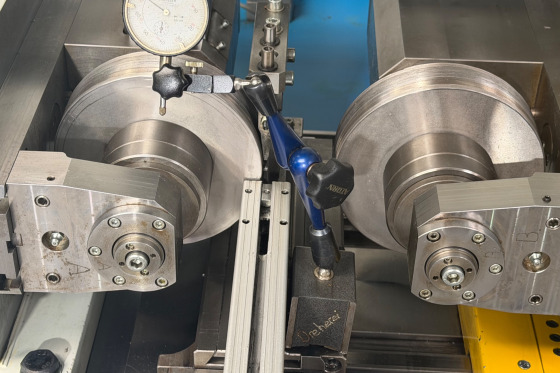
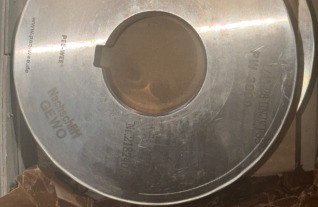
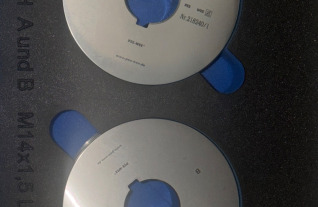
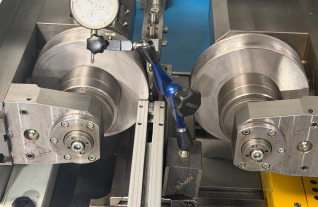
- Roll set M14 x 1 PPS Ø 180 x 54 hole x 40 width
- Roll set M14 x 1,50 Left PPS Ø 180 x 54 hole x 40 width
- Roll set M14 x 1,50 PPS Ø 180 x 54 hole x 40 width
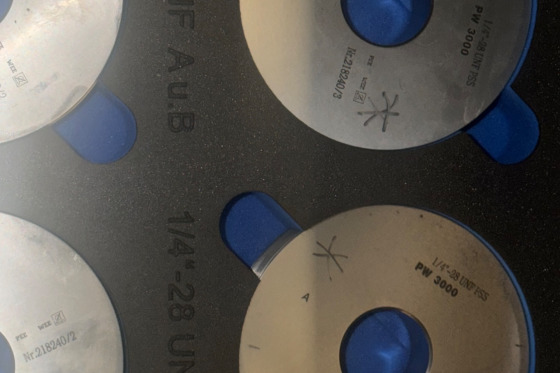
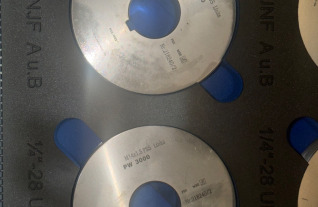
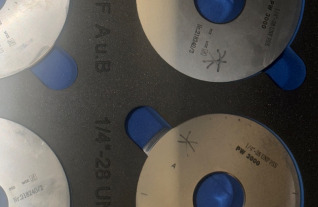
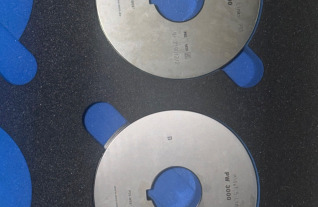
- Roll set 1/4-28 UNF PPS Ø 180 x 54 hole x 40 width
- Roll set 1/4-28 UNJF PPS Ø 180 x 54 hole x 40 width
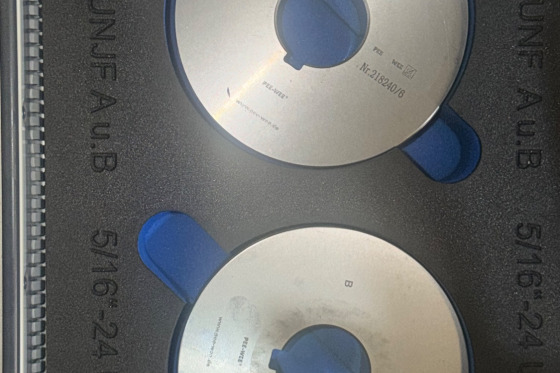
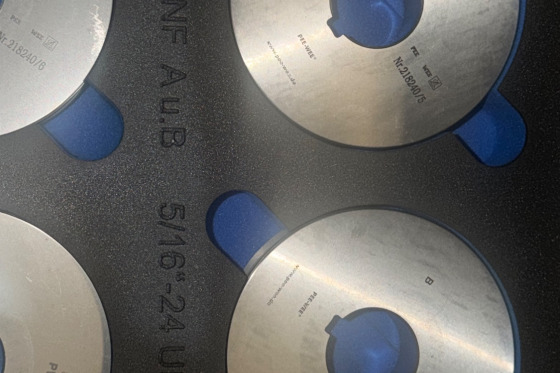
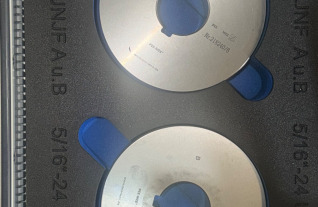
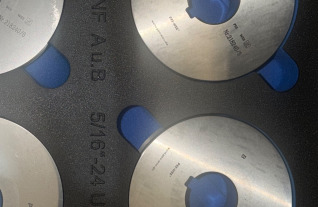
- Roll set 5/6-24 UNF PPS Ø 180 x 54 hole x 40 width
- Roll set 5/6-24 UNJF PPS Ø 180 x 54 hole x 40 width
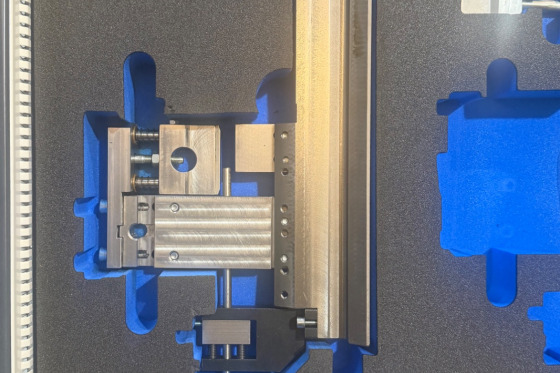
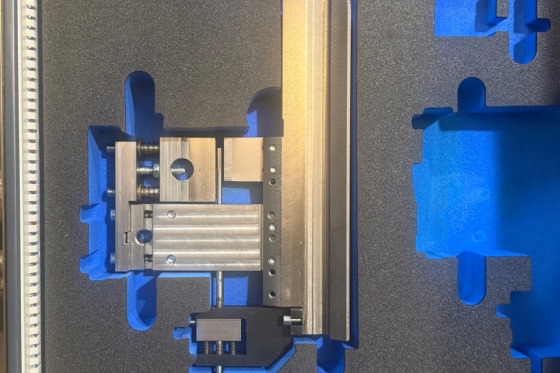
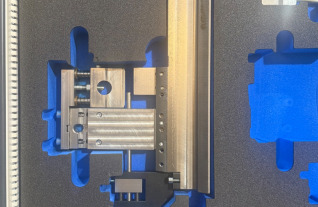
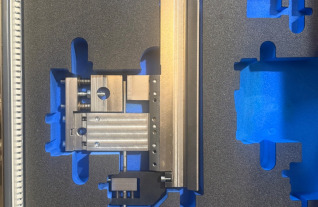
- 1 set universal linear guider 120 mm
- 1 set steady rest for to heavy workpiece
- 1 set HM support length 40 mm for 1/4, 5/16 and M14 Rolls
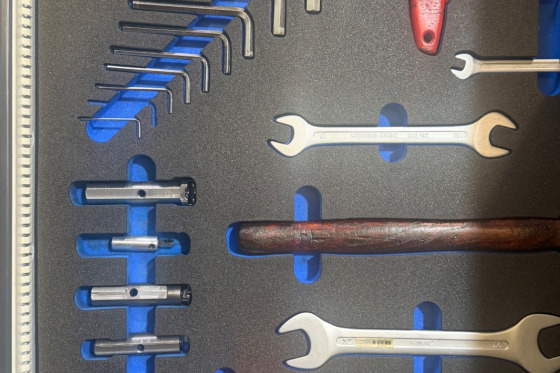
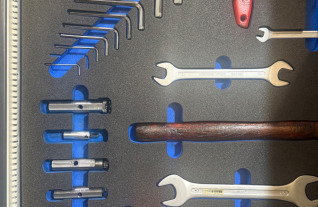
- 2 x cabinet with tool drawlers and work bench
Specifications
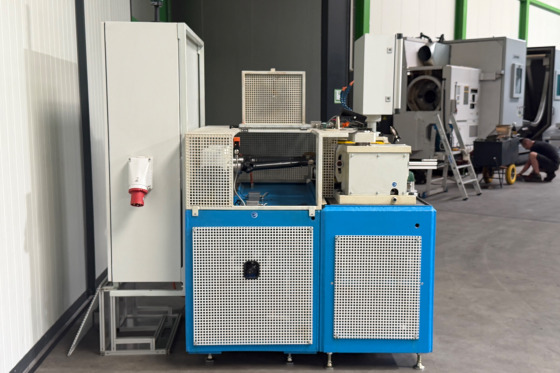
Dimensions (Estimate)
Please Note: The information on this page has been obtained to the best of our ability and belief, and from the manufacturers where possible. It is given in good faith, but its accuracy can not be guaranteed. Accordingly, it will not form a representation or constitute contractual terms. We advise you to check any vital details!
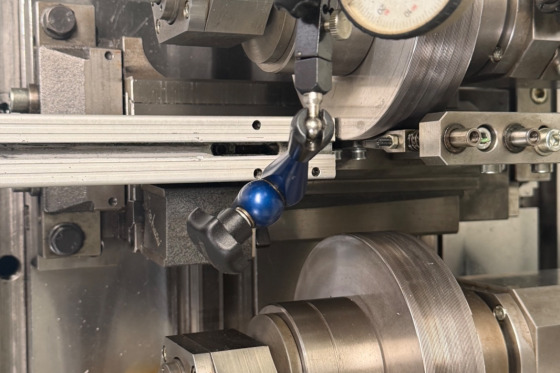
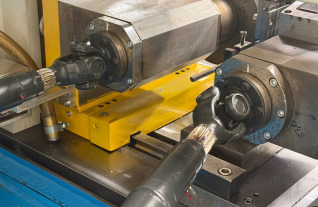
EE-WEE P10 CNC is mainly a cold-forming / thread-and-profile rolling machine. Instead of removing material like a lathe or grinder, two hardened dies press and roll the required shape into the workpiece.
Typical products you can make include:
- External threads – metric, UN/UNC/UNF, fine threads, special threads.
- Bolts, studs and threaded shafts – especially high-strength parts where rolled threads are preferred.
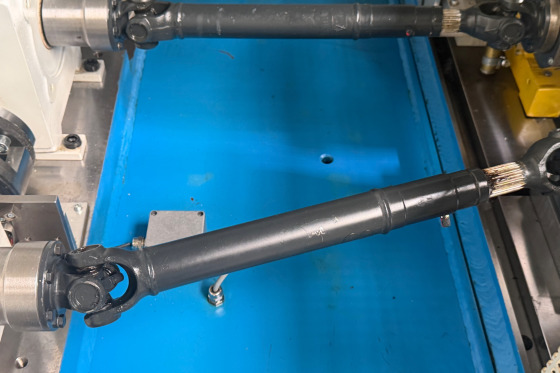
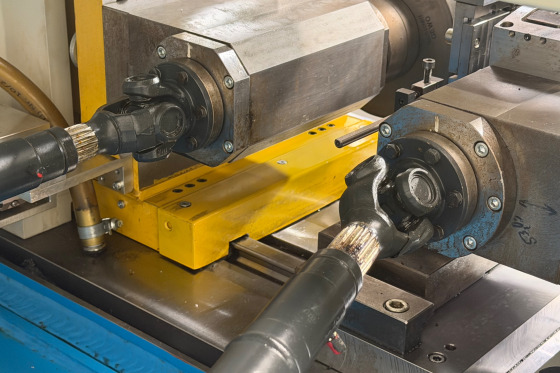
- Splines and serrations – for small transmission shafts, steering components, couplings and similar parts.
- Knurling – straight or crossed knurls for knobs, handles and press-fit areas.
- Grooves and rings – circumferential grooves, retaining-ring features and special profiles.
- Worm/profile forms – certain helical or special profiles, depending on tooling and machine configuration.
- Automotive components – pins, shafts, fasteners and transmission-related components.
- Aerospace/high-strength fasteners – rolled threads are attractive because the material grain flow isn't cut through.
The big advantage is strength and production speed. A rolled thread is generally stronger than a cut thread because the material is displaced rather than removed. You also get an excellent surface finish and can produce parts very quickly once the correct rolling dies are installed.


