


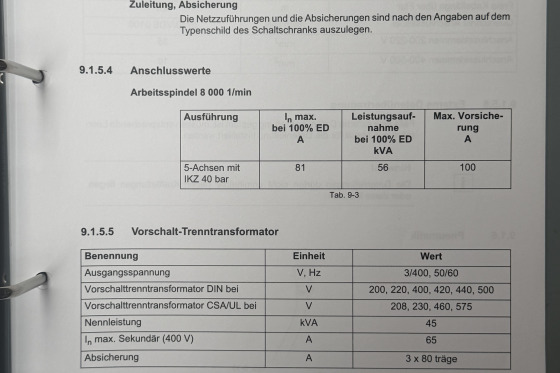
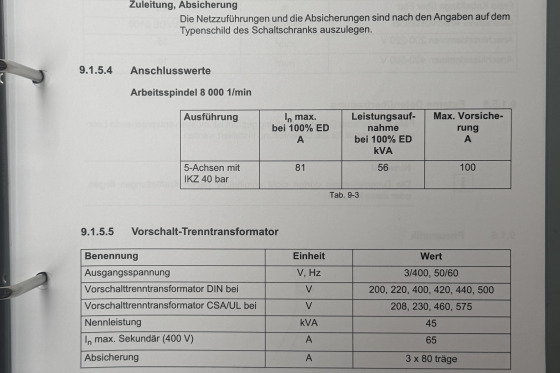
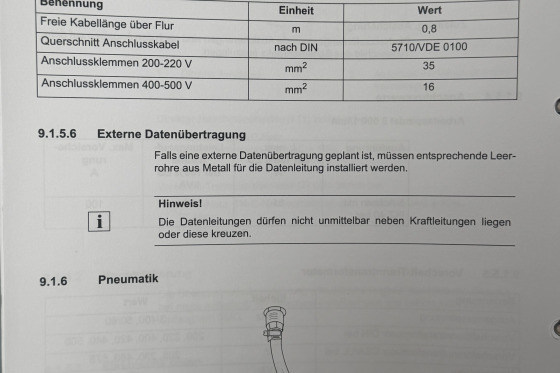
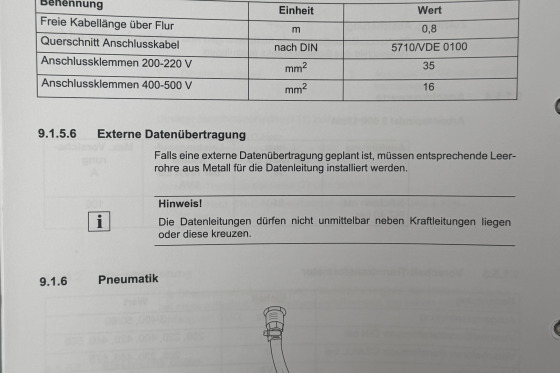
Це еквівалентно до:
Ця машина зарезервована
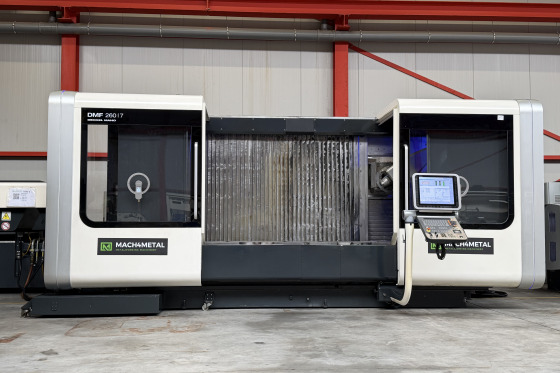
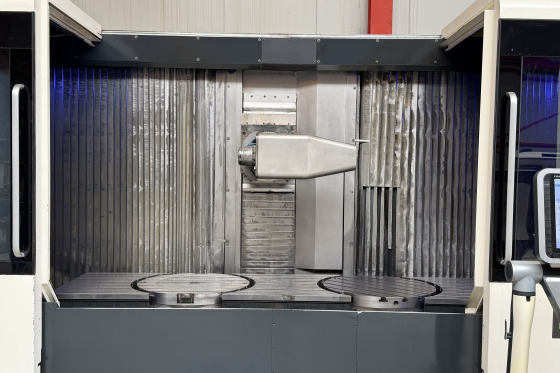
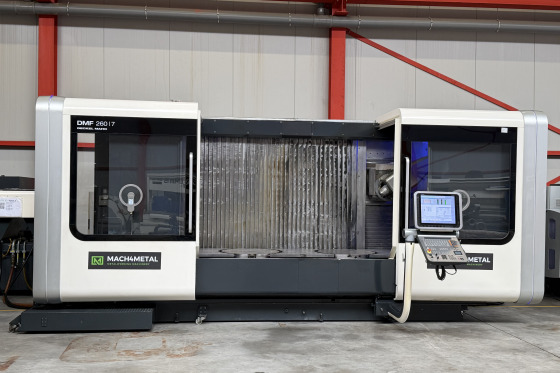
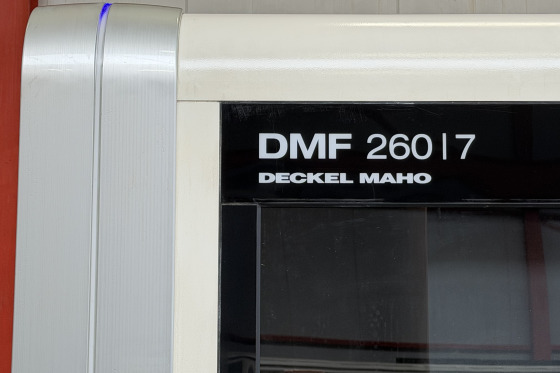
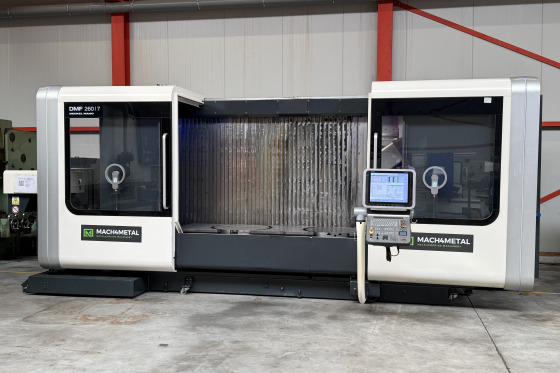
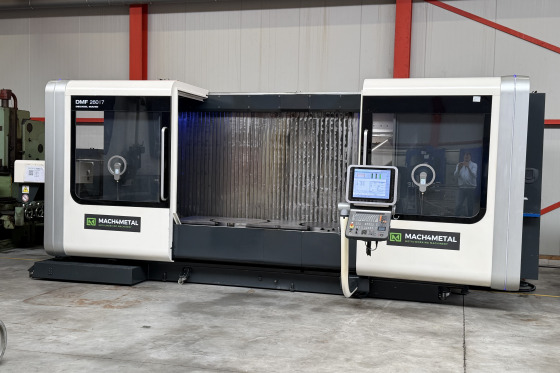
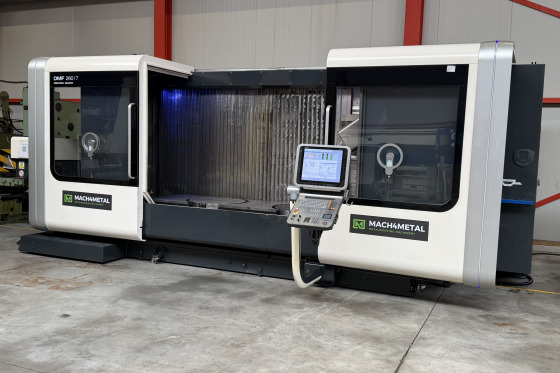
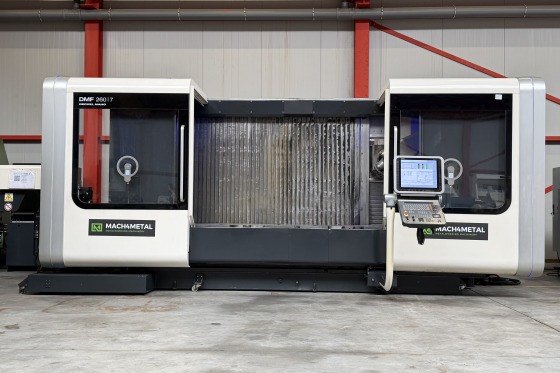
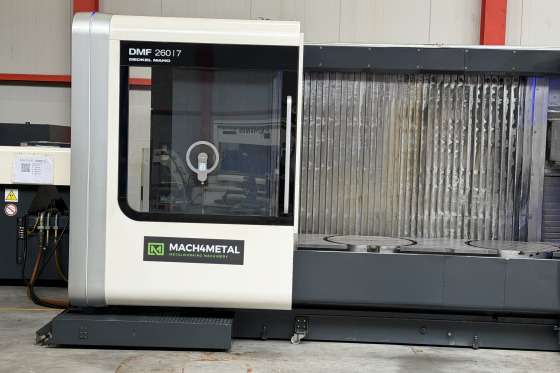
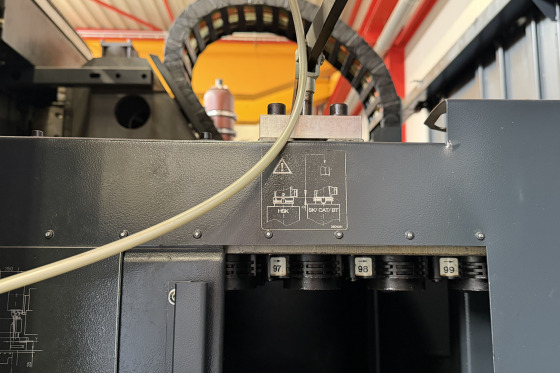
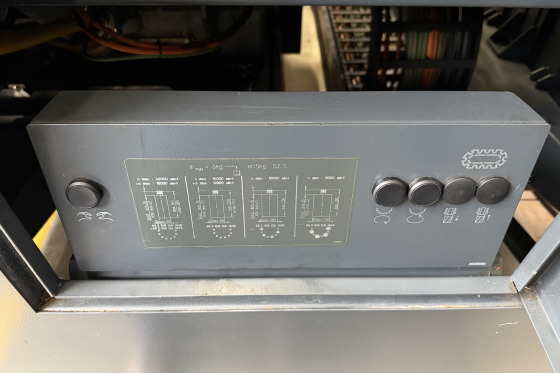
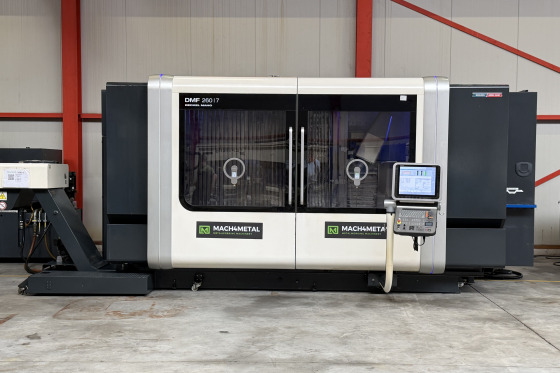
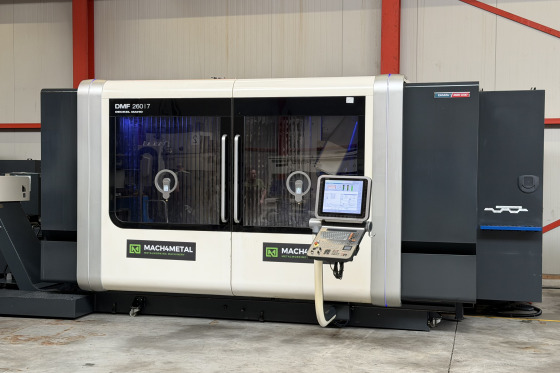
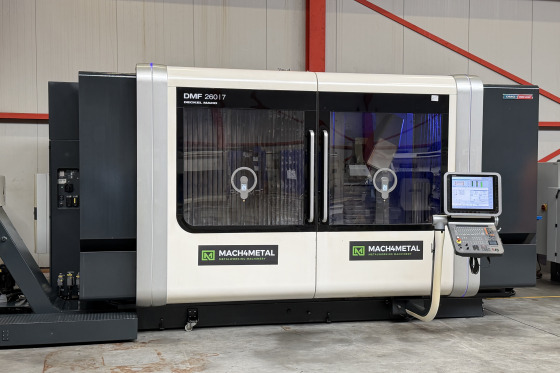
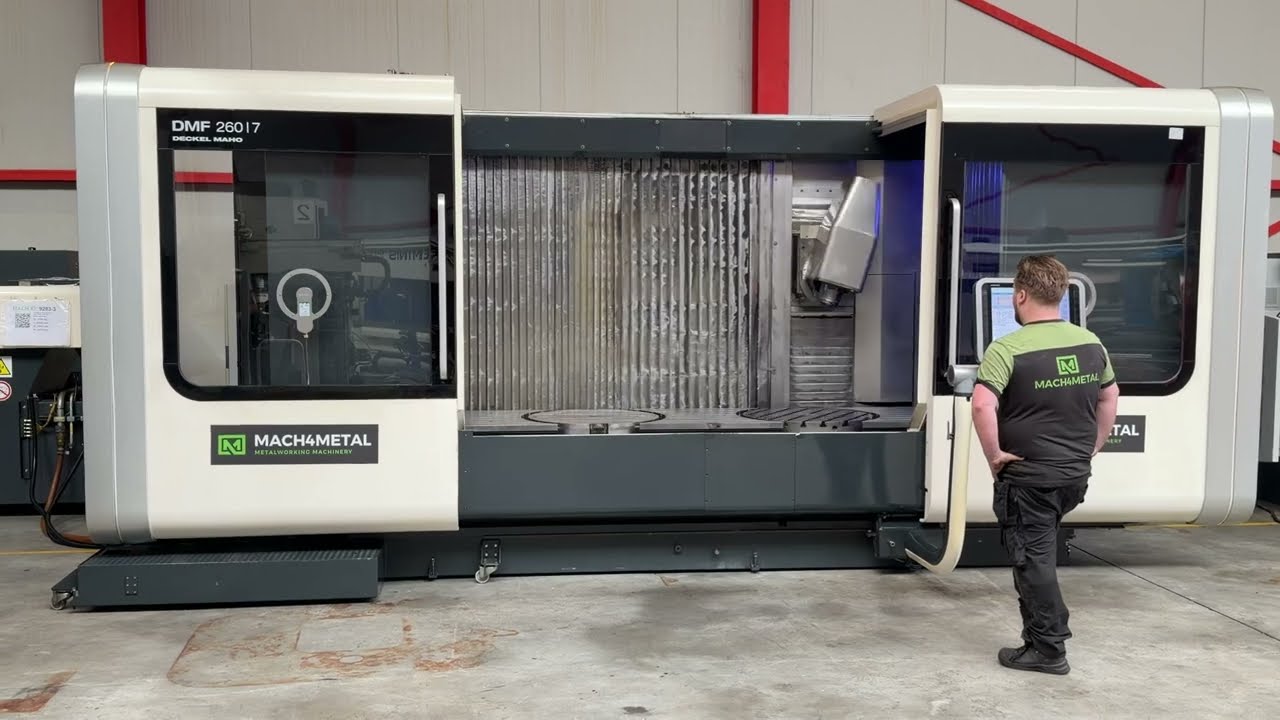
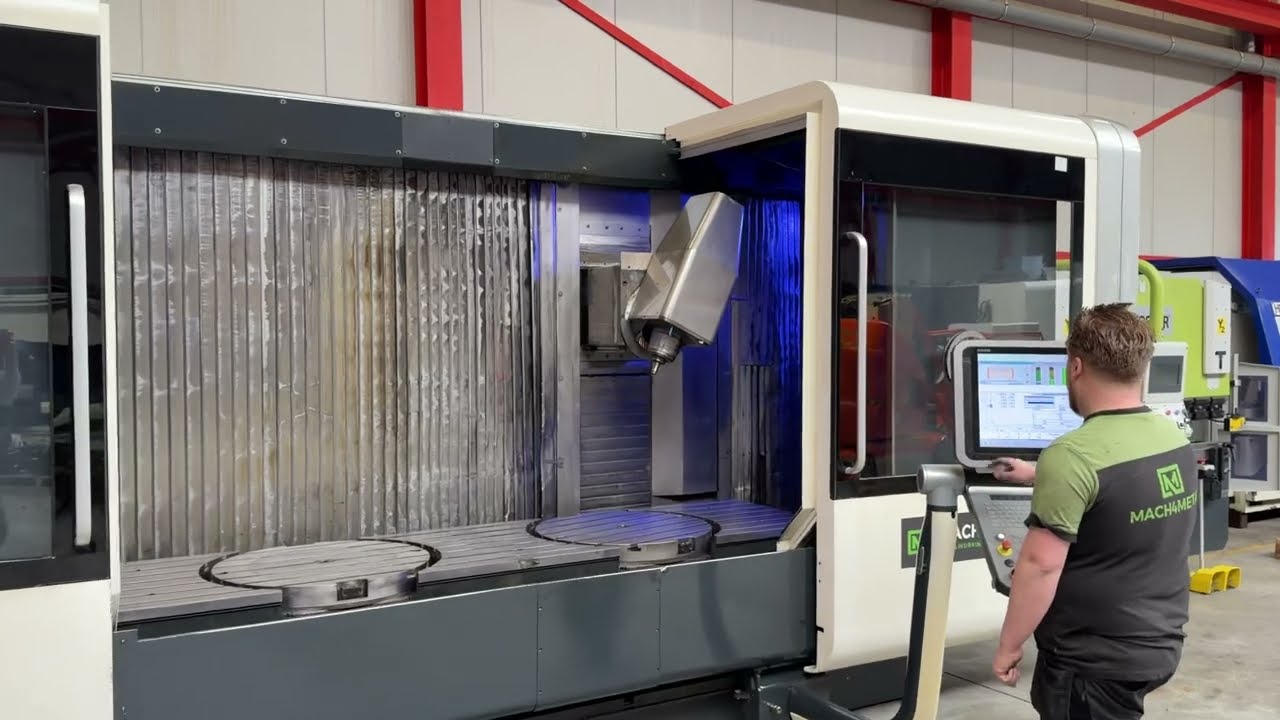
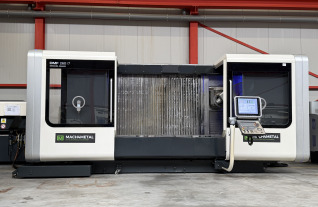
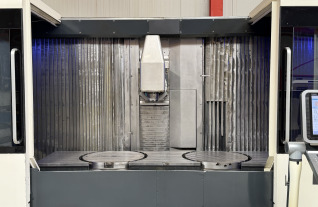
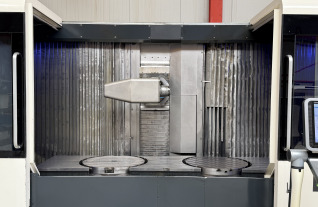
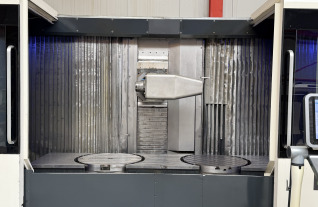
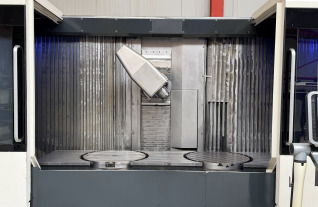
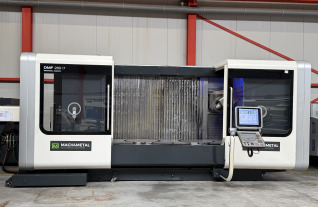
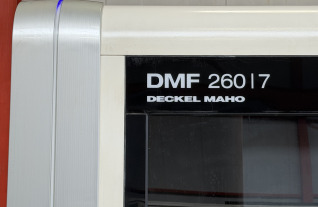
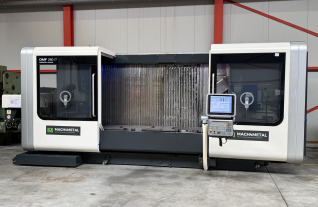
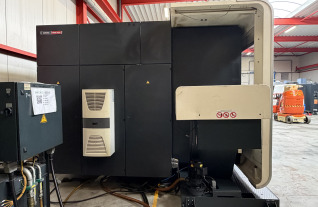
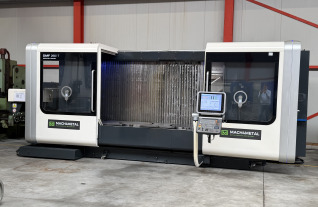
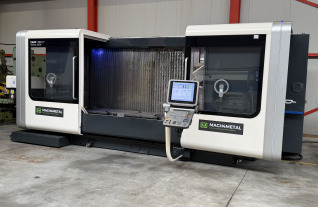
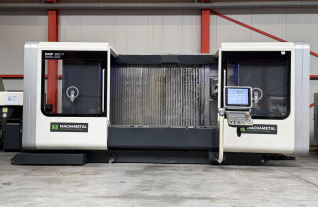
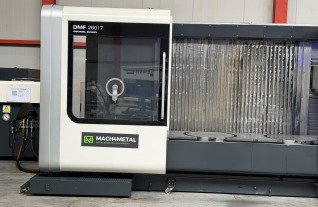
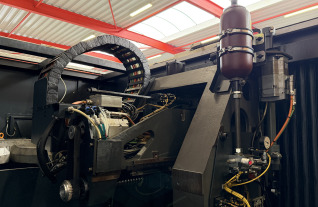
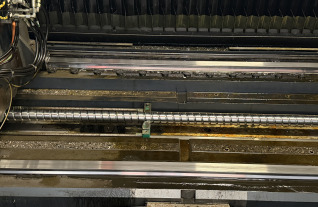
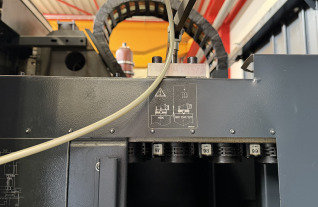
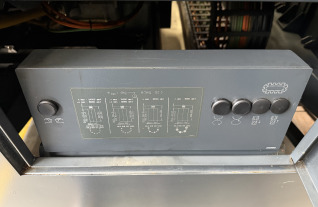
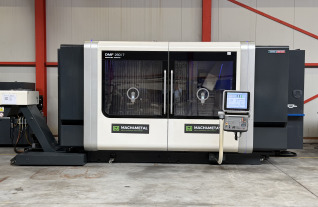
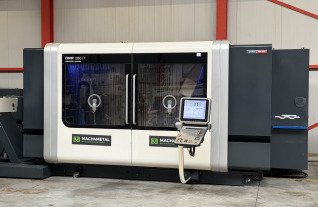
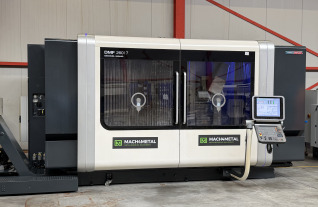
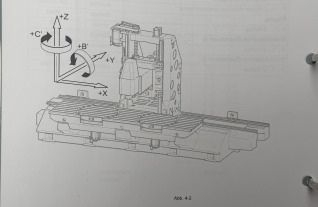
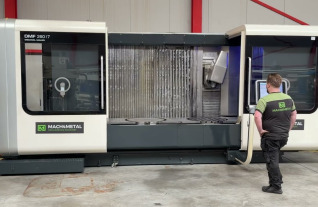
5-осьові обробні центри DMG MORI - DMF 260-7
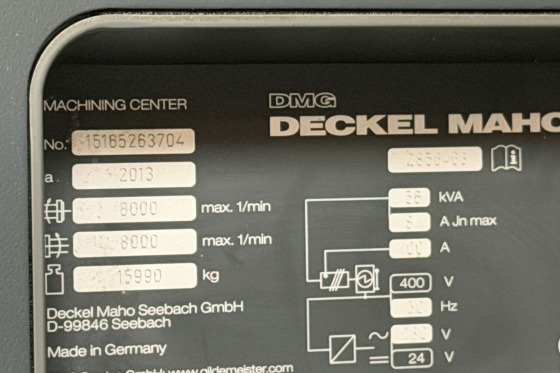
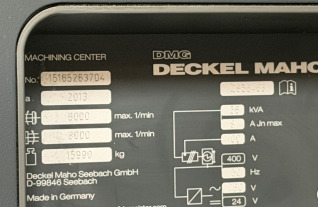
MACH-ID 9609| Виробник: | DMG MORI |
| Тип: | DMF 260-7 |
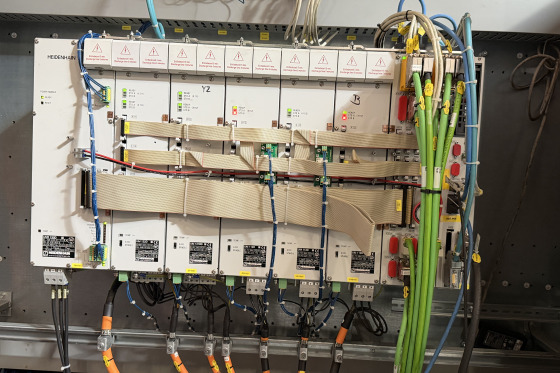
| Керування: | HeidenHain iTNC530 |
| YOP: | 2012 |
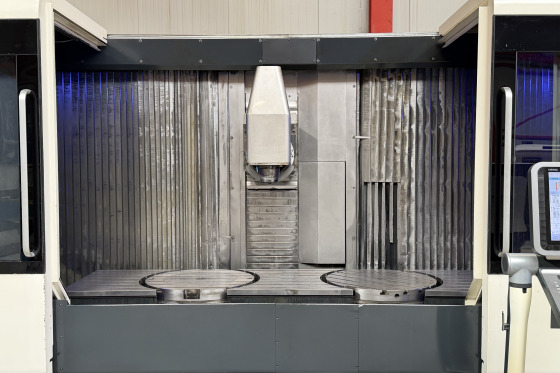
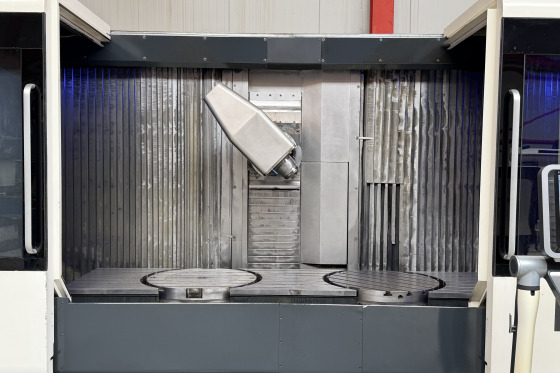
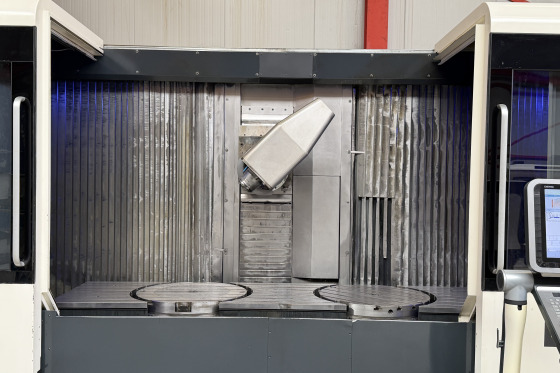
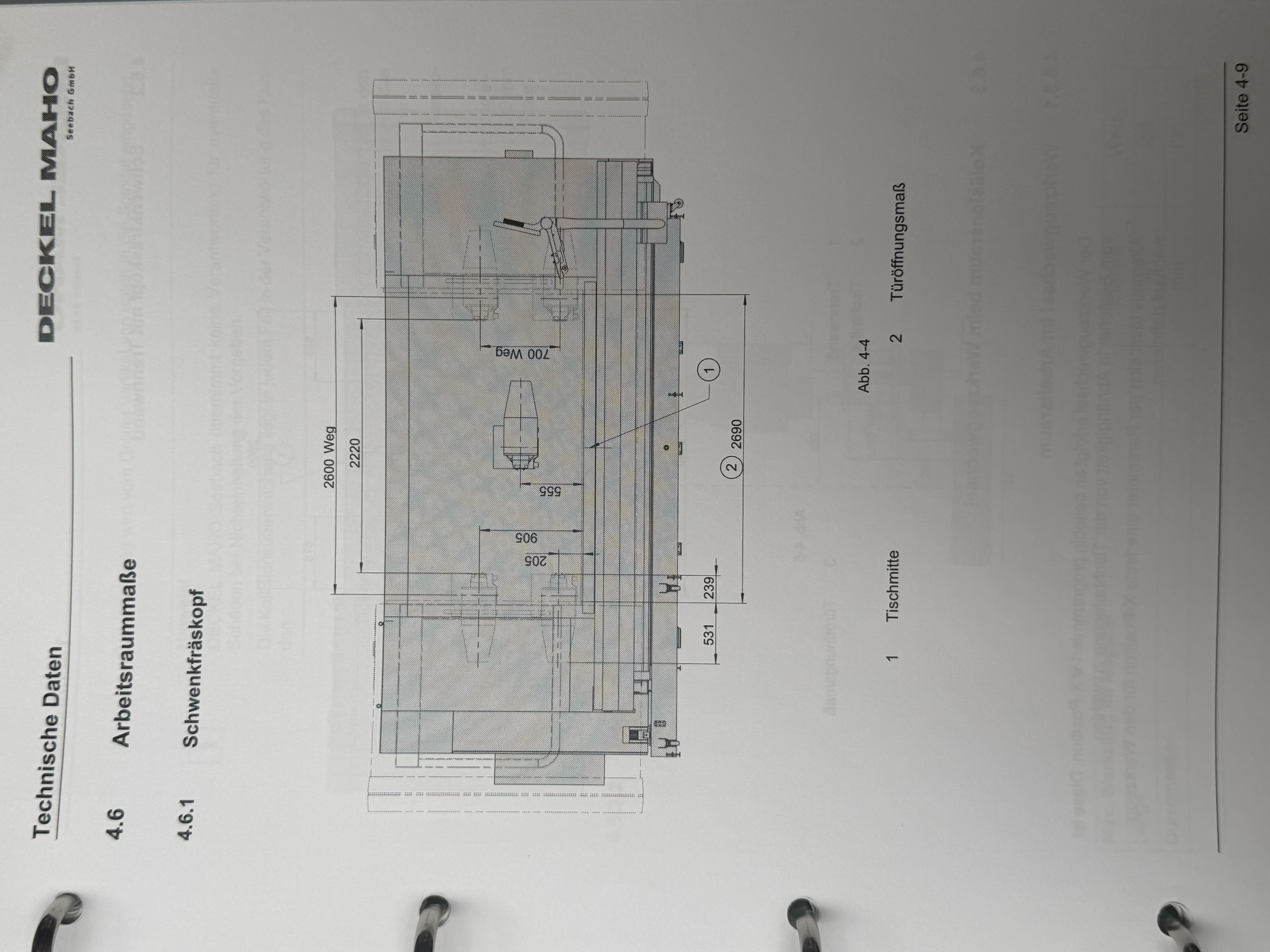
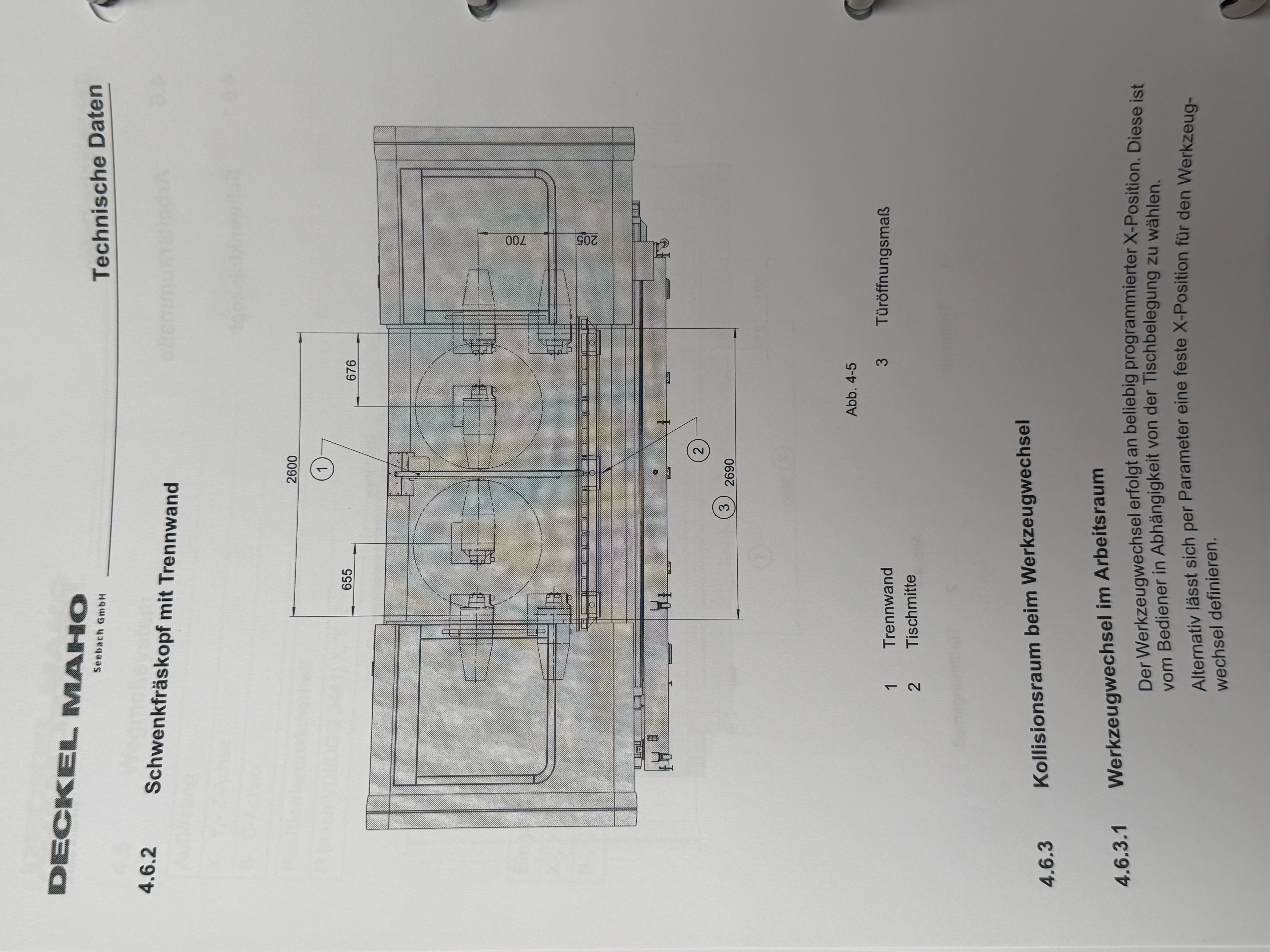
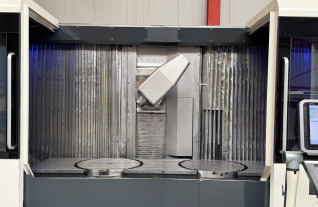
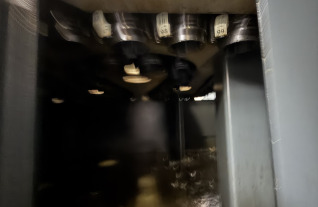
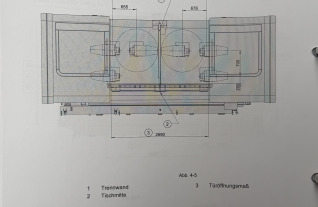
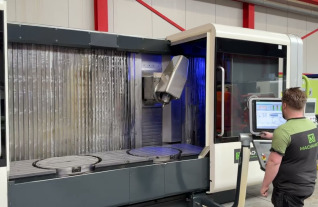
- Pendel screen to split working area
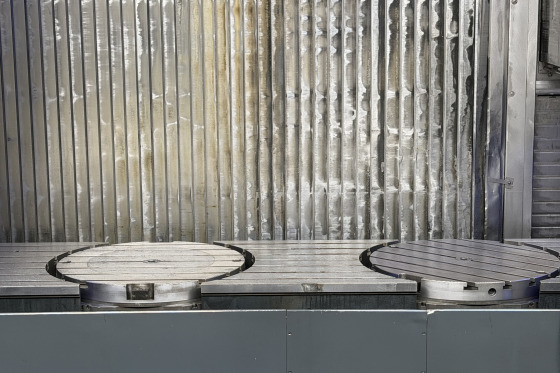
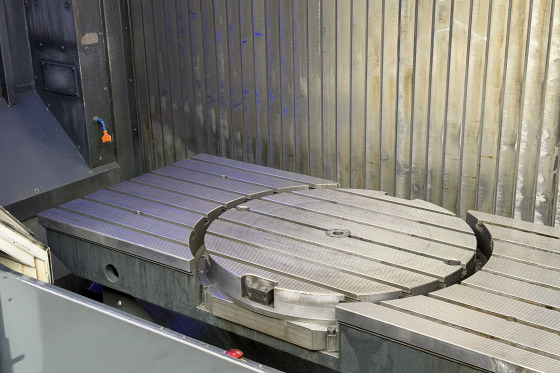
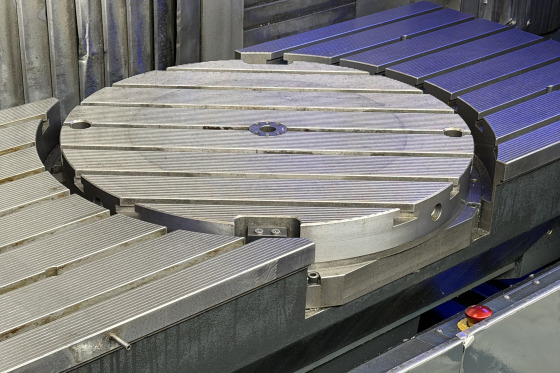
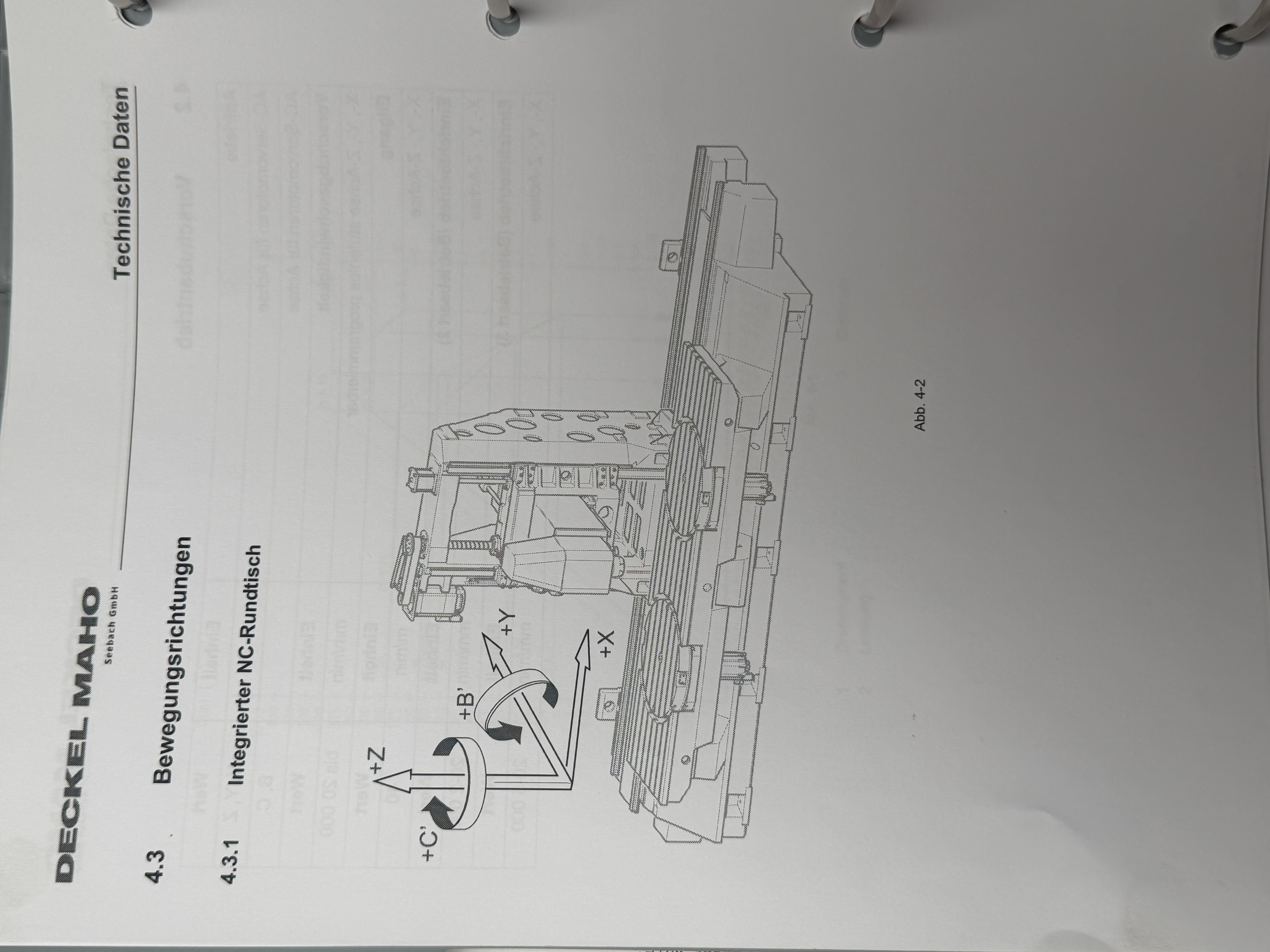
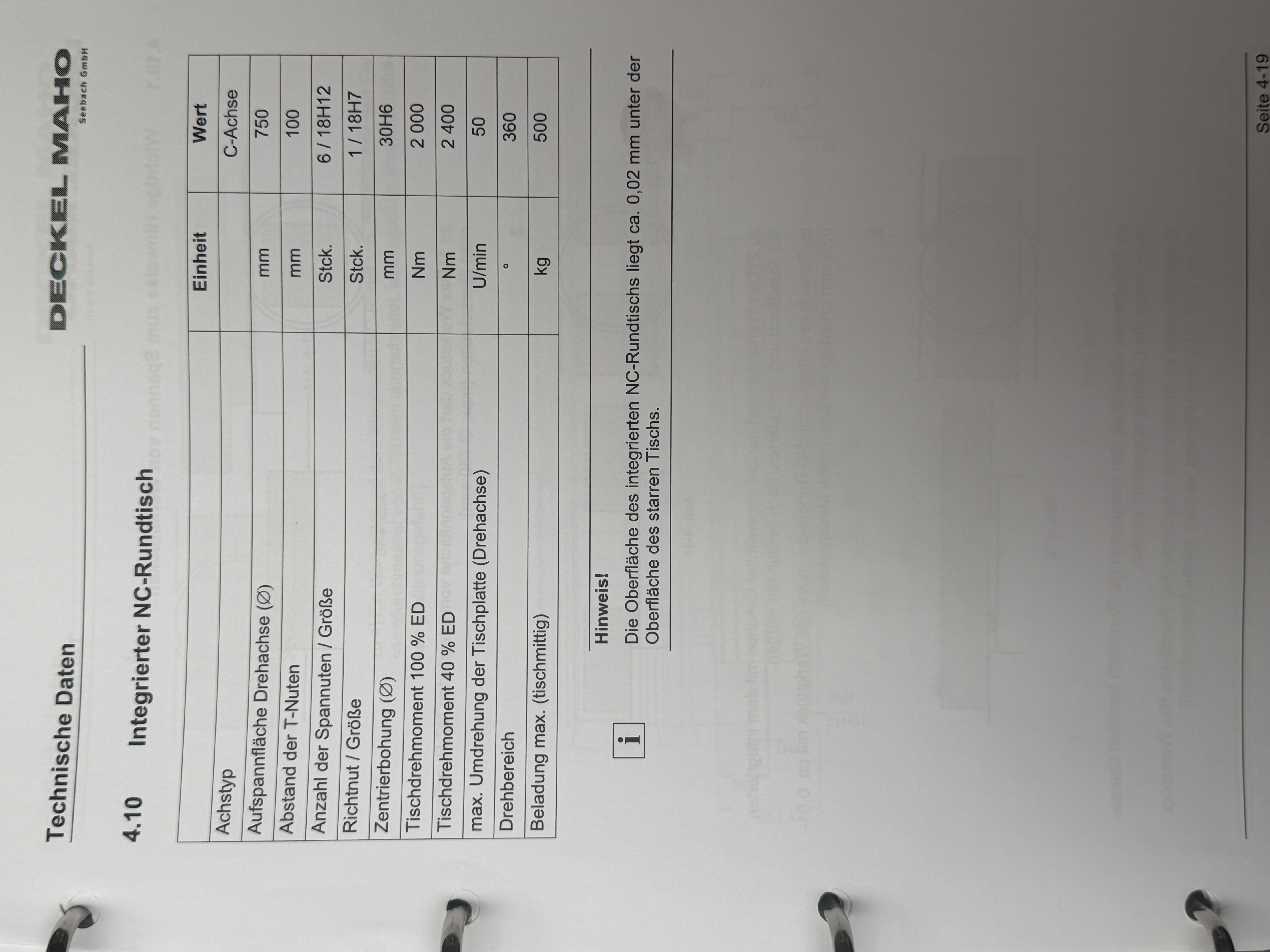
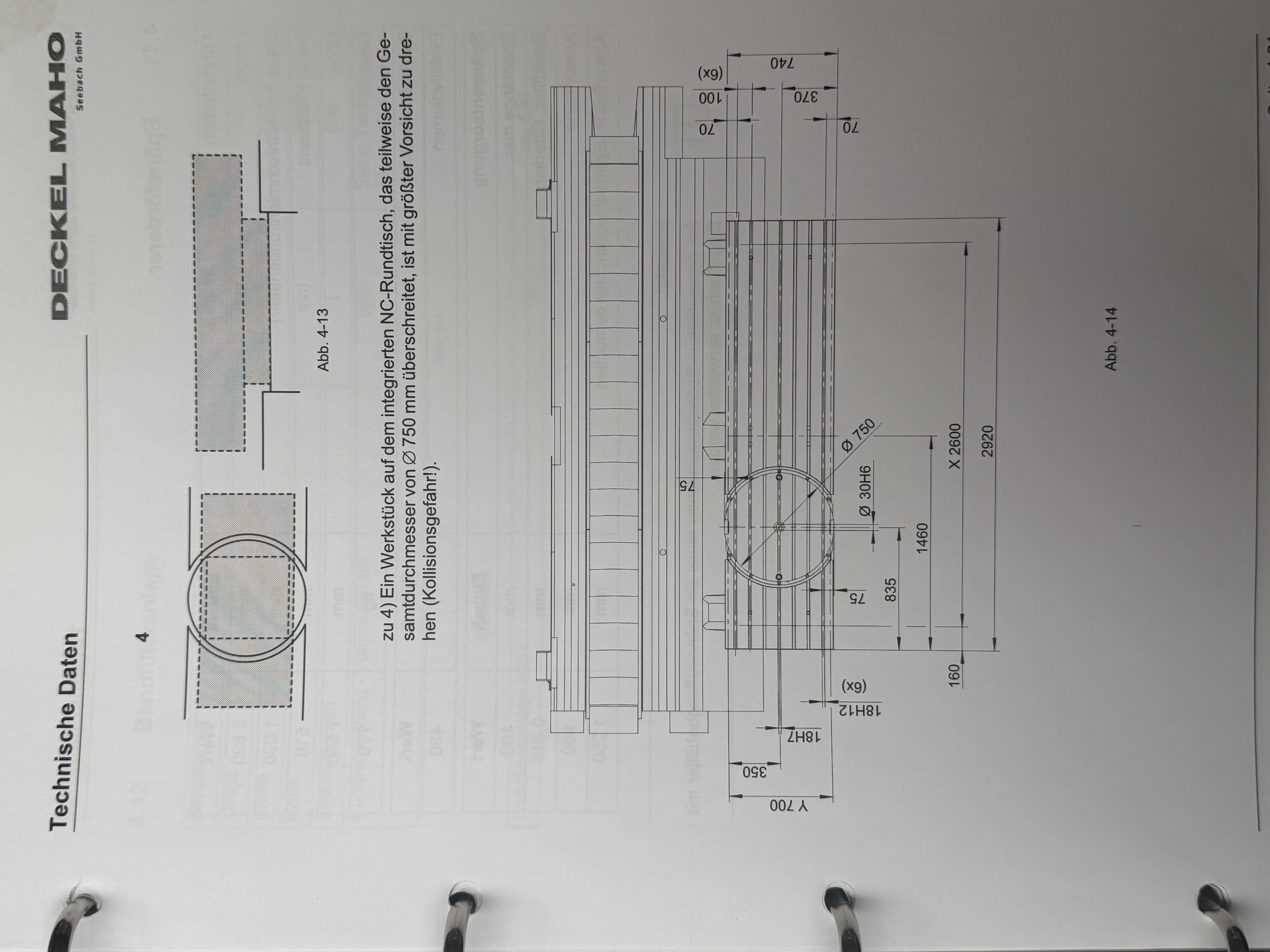
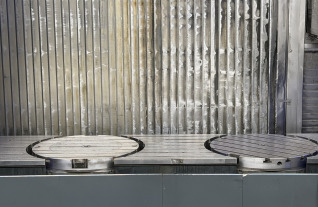
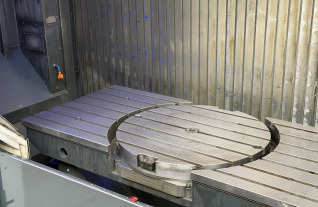
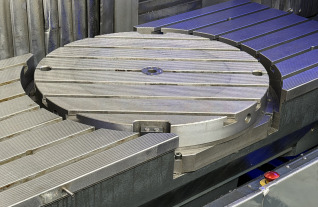
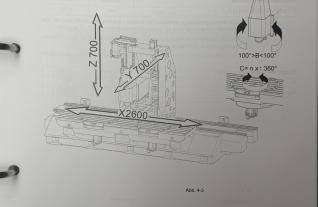
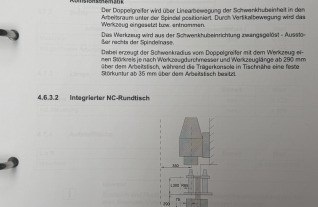
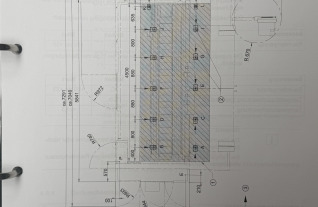
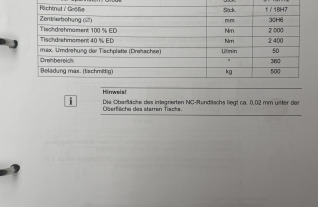
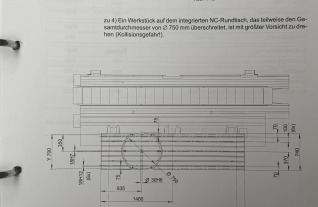
- C1 + C2 Duo (NC) Rotary table Ø 750 mm
- Rotation speed table 50 Rpm indexing 360 Degrees
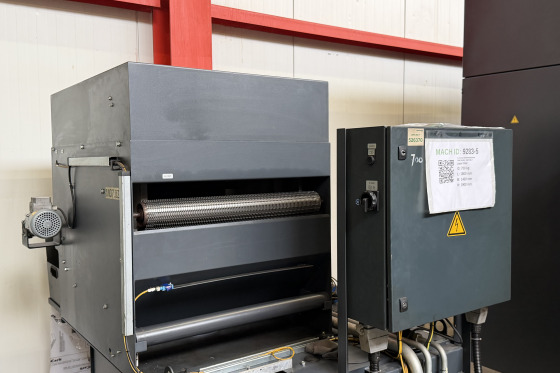
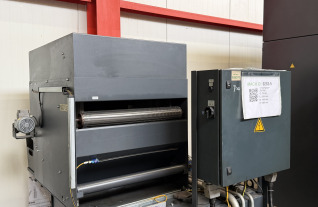
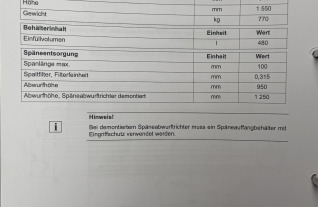
- Paper filter with IKZ 40 Bar
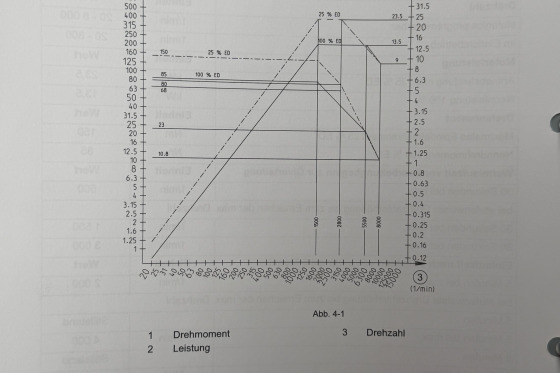
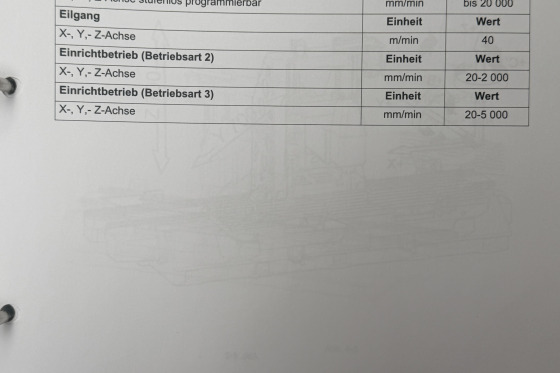
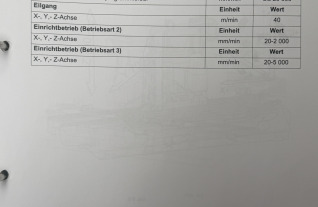
- Rapid feeds in all direction 20.000 mm/Min
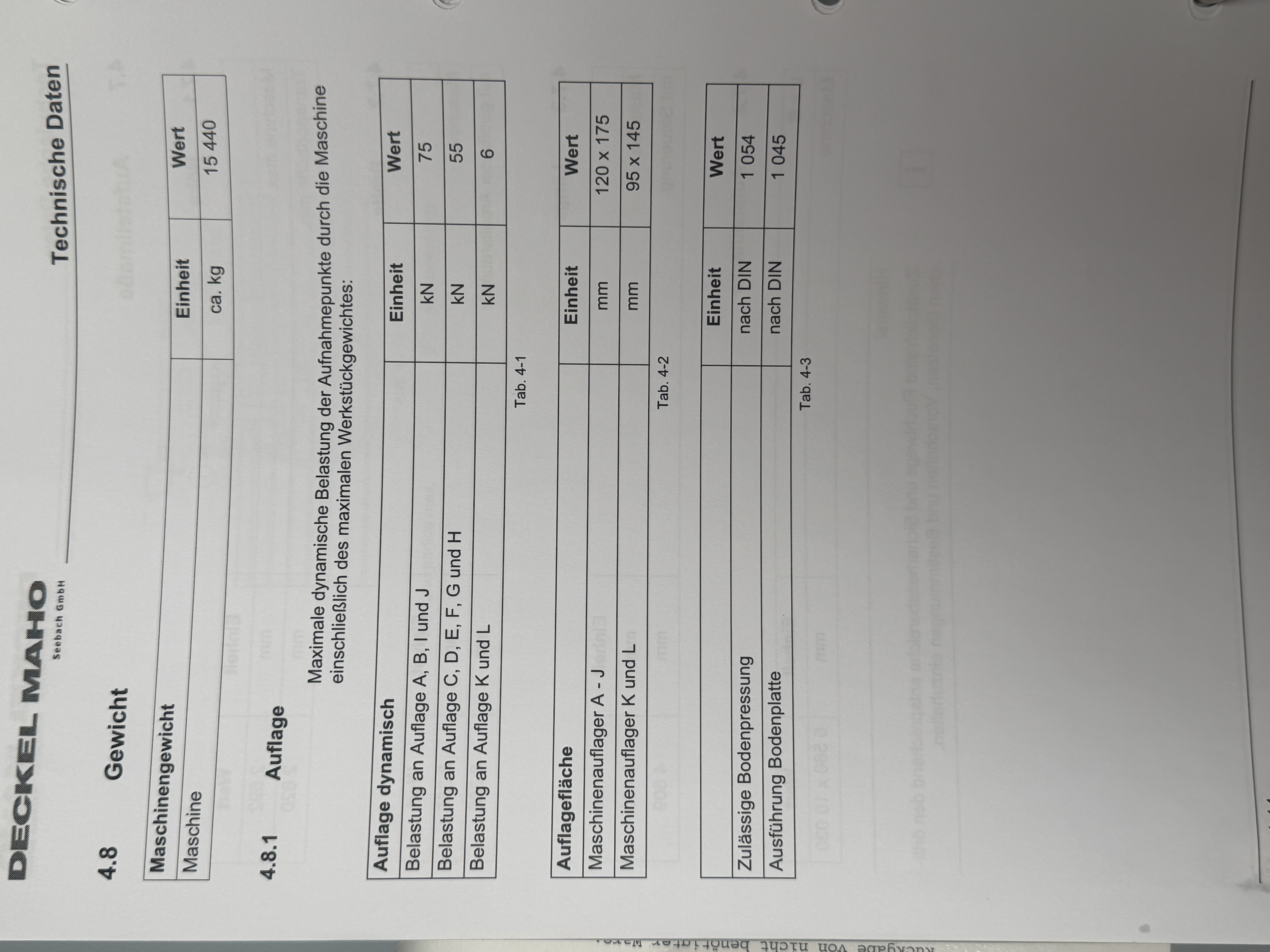
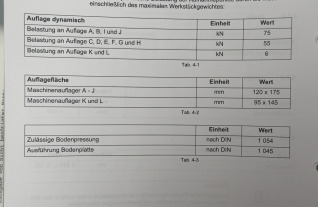
- Work load 8000 Kg
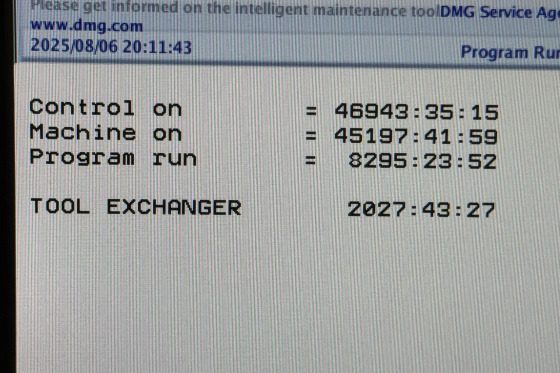
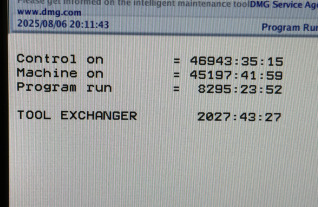
- Spindel (cutting) hours 8295 H
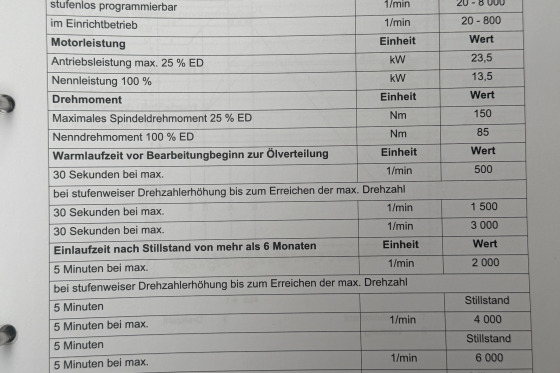
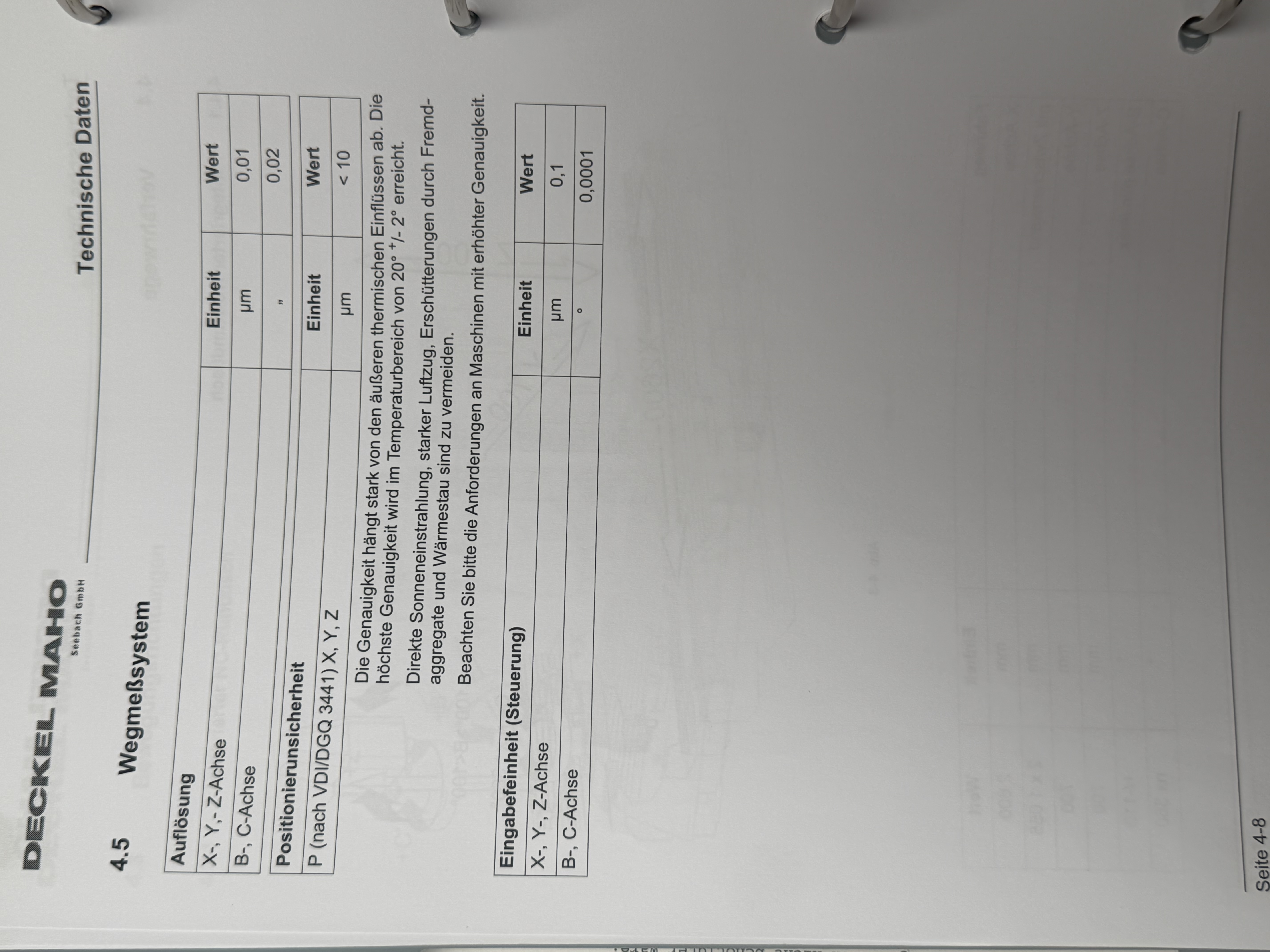
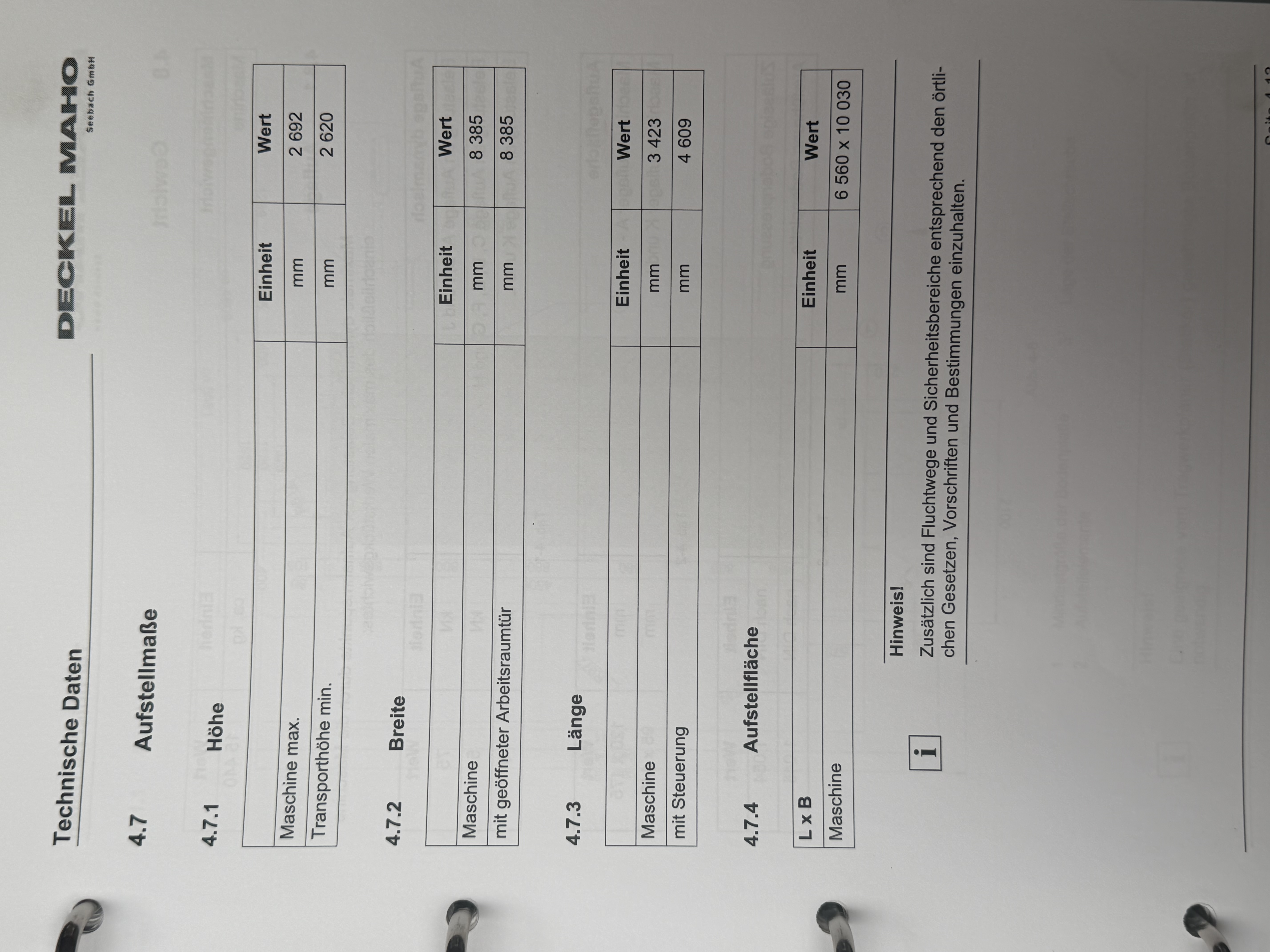
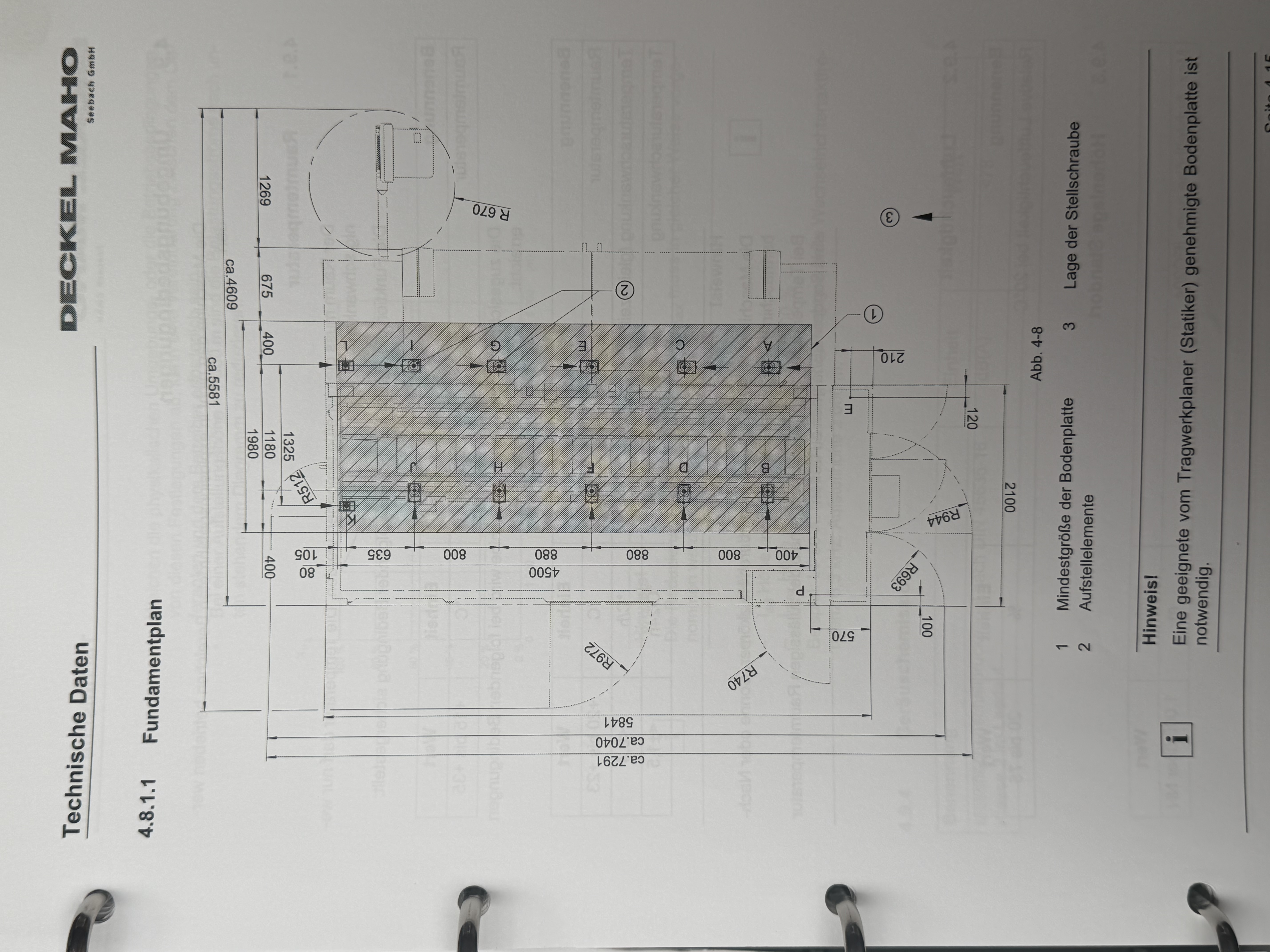
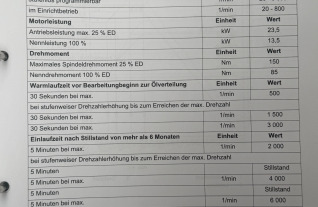
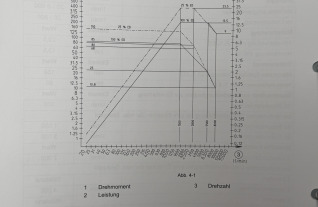
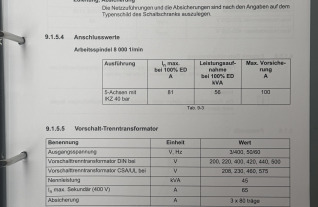
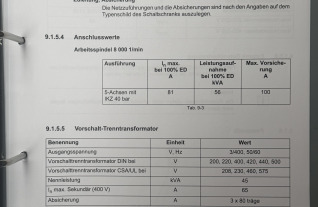
Технічні характеристики
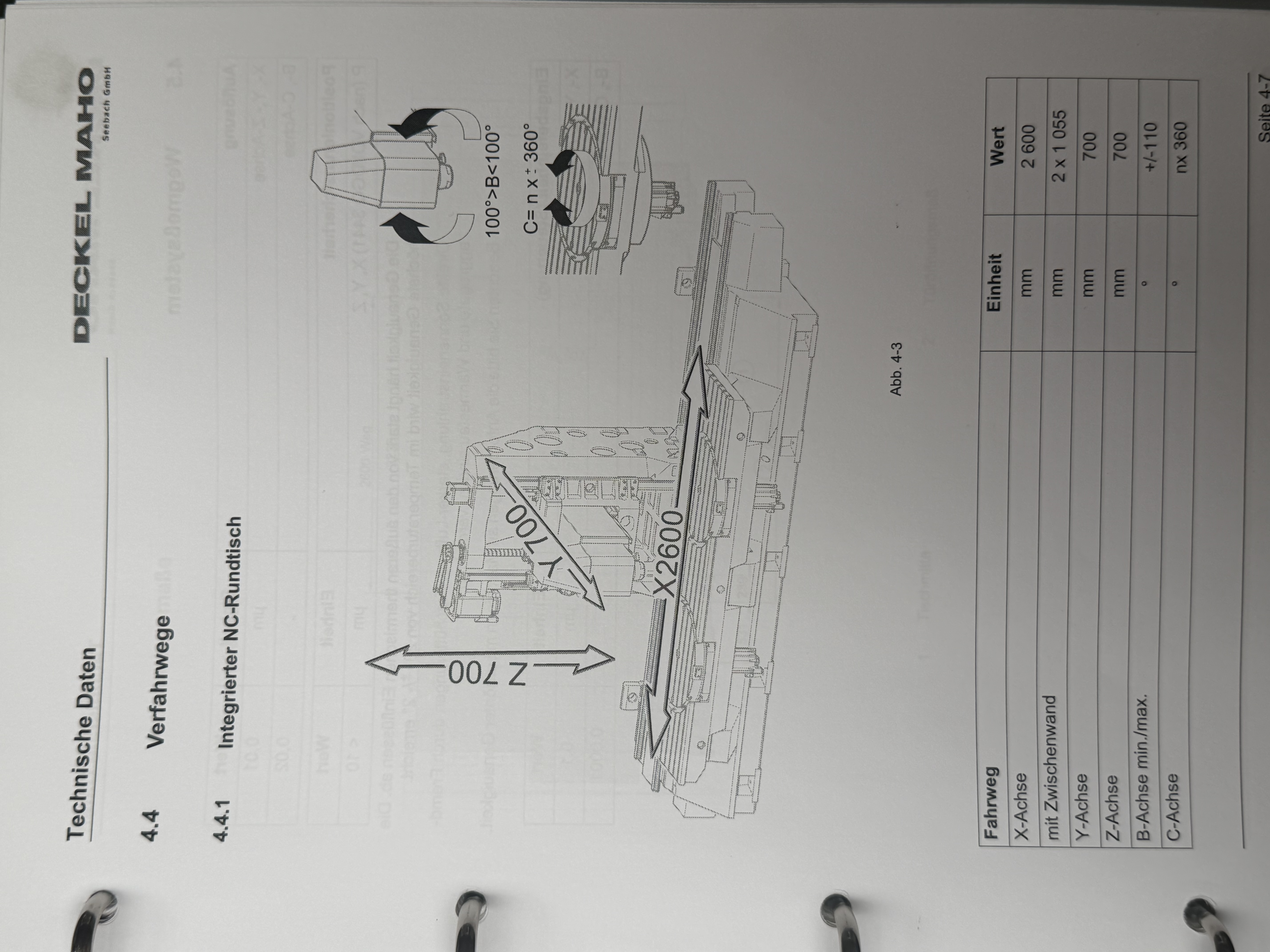
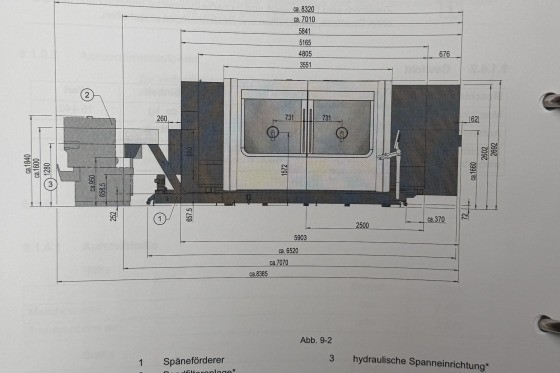
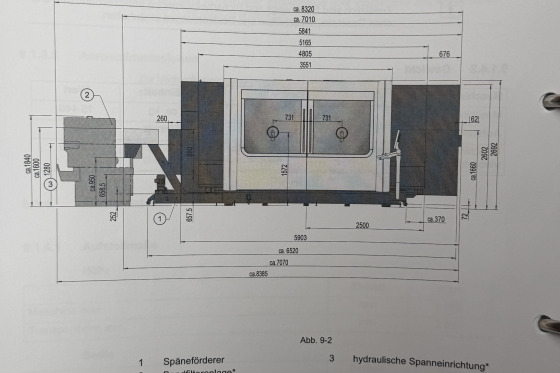
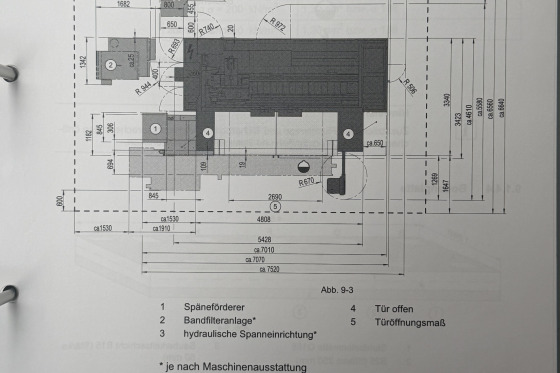
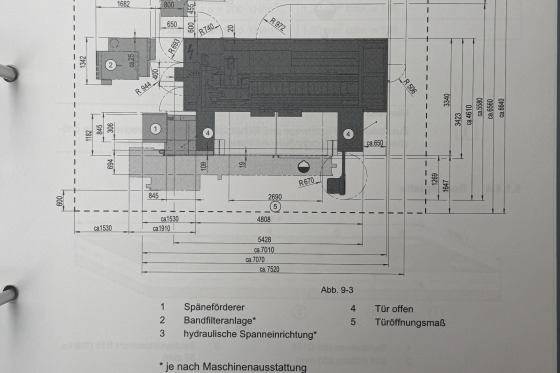
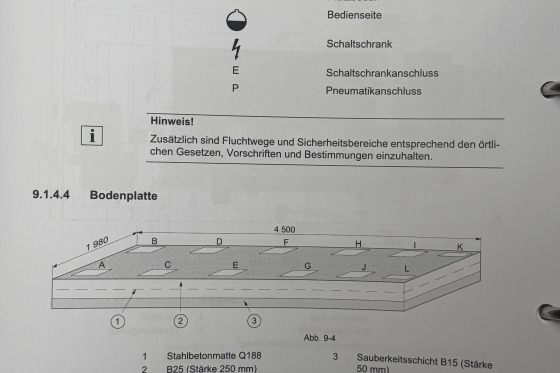
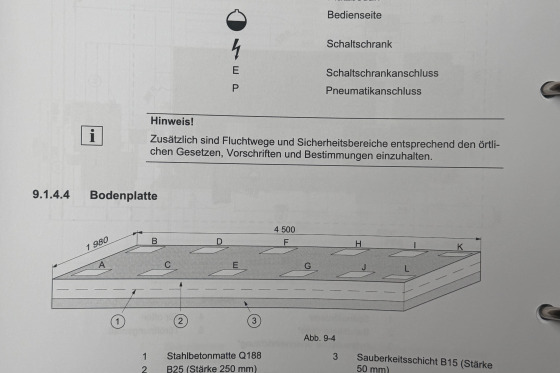
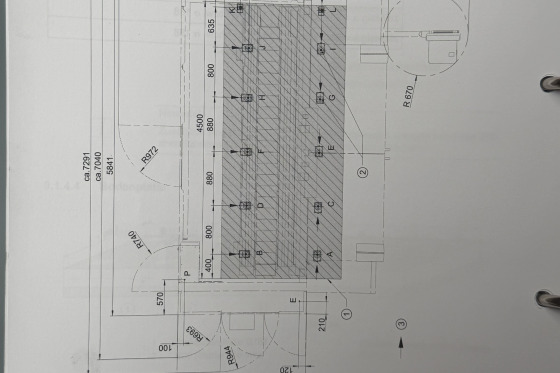
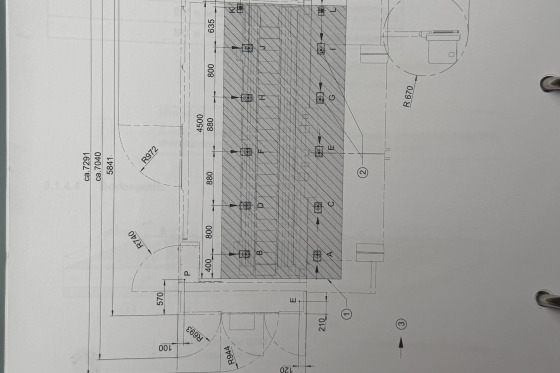
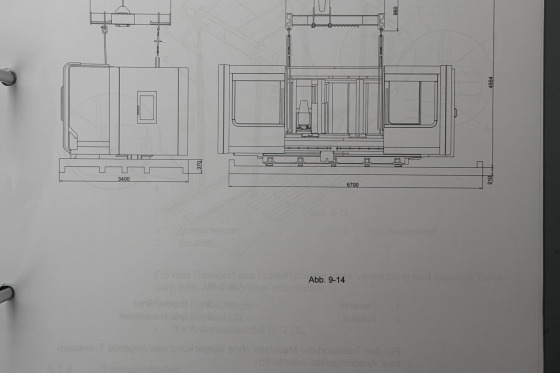
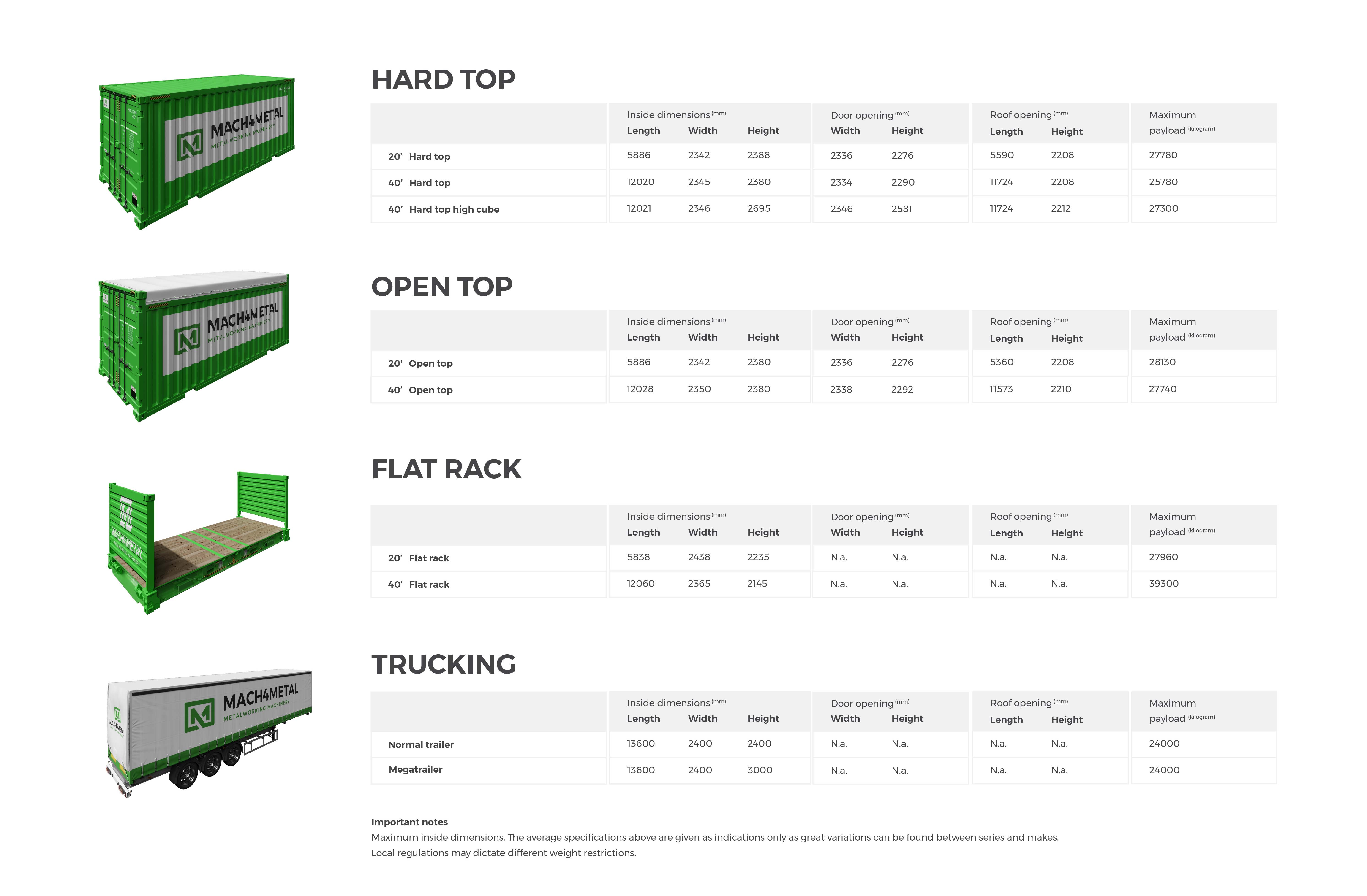
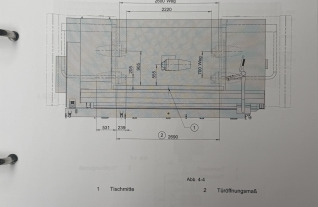
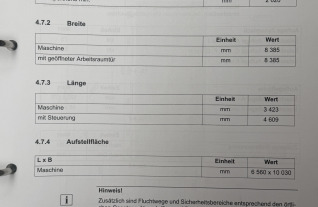
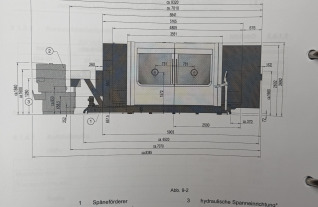
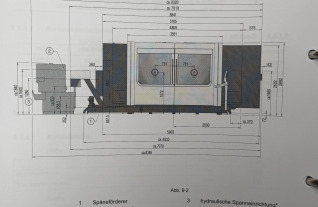
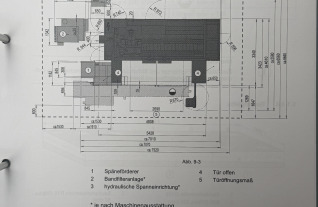
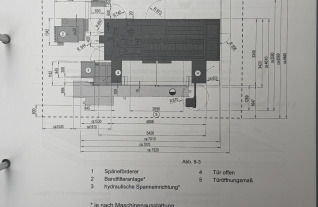
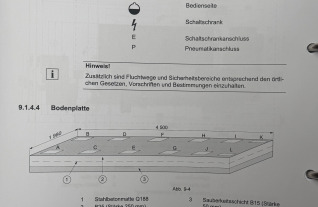
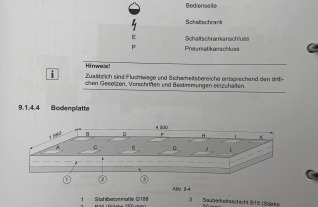
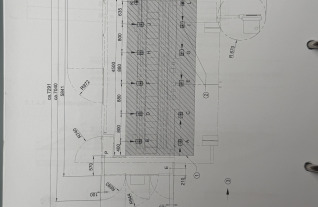
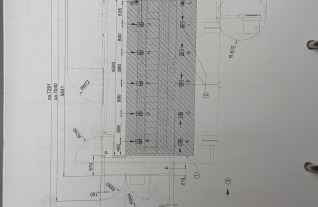
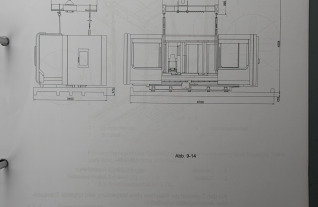
Розміри (Оцінка)
Будь ласка, зверніть увагу: інформацію на цій сторінці було отримано в міру наших можливостей і переконань, а також, де це можливо, від виробників. Він надається сумлінно, але його точність не може бути гарантована. Відповідно, це не буде представництвом або договірними умовами. Радимо перевіряти всі важливі деталі!
Це еквівалентно до:
What it’s used for (why 2 tables?)
1. Continuous production (very important)
- While part A is being machined,
- The operator can load/unload part B on the second table
👉 This is called pendulum machining (or twin setup)
✔ reduces downtime
✔ increases productivity a lot
2. Machine two parts at once
- Same program can run on both tables
- Ideal for batch production
3. Flexible setups
- One table: small parts
- Other table: large or different part
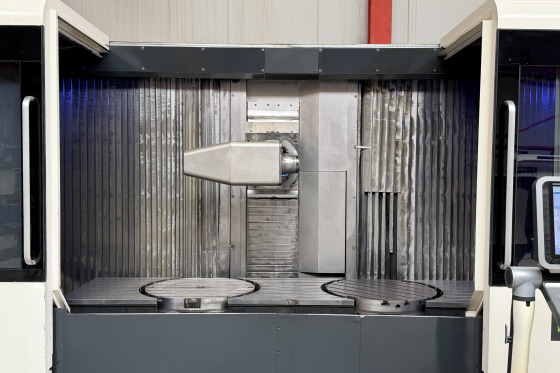
4. Full 5-axis machining
Combined with:
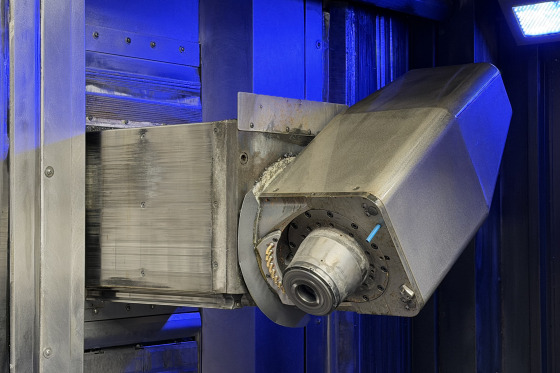
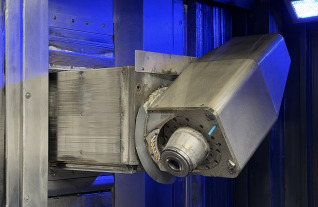
- B-axis spindle (tilting head)
- C-axis rotary tables
You get full multi-angle machining in one setup
Example specs (with rotary table)
- Table diameter: ~750 mm
- Rotation: 360° continuous
- Load: up to ~500–2000+ kg depending on setup
Typical industries using Duo rotary setup
Same as standard DMF—but more production-focused:
Aerospace
- Multiple identical components (brackets, housings)
Automotive
- Series production of engine parts
Tool & mold making
- Run 2 molds alternately
General machining shops
- High-mix production with minimal downtime
Jobs that use this setup
- CNC operator → loads one table while other runs
- CNC programmer → programs twin setups / mirrored cycles
- Production engineer → optimizes cycle time
Simple explanation
👉 A DMF 260/7 with Duo NC rotary table is:
“A large 5-axis CNC machine that can rotate TWO parts and work on them alternately or simultaneously to save time.”
Why companies pay extra for this option
Because it:
- Cuts idle time almost to zero
- Doubles throughput in some cases
- Makes the machine much more efficient


