


11.540,7 kg
CO2
будет сохранено при покупке этой машины
Это эквивалентно:
5,77
обратные рейсы из Amst - Нью-Йорк
57.703,00
километры на дизельном автомобиле
12.823,00
километры с грузовиком
0,29
новостройки
Эта машина зарезервирована
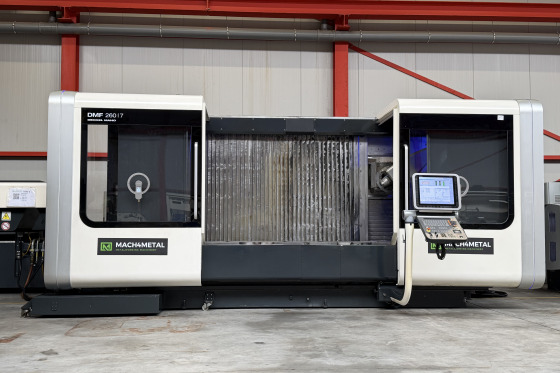
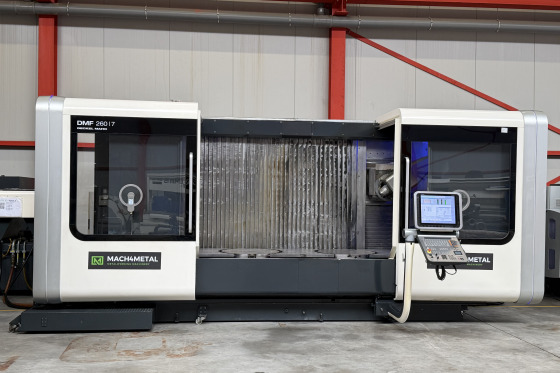
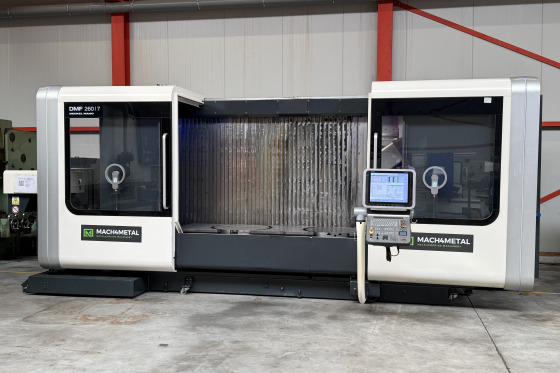
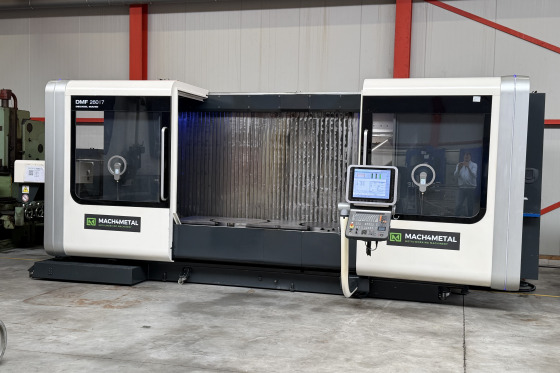
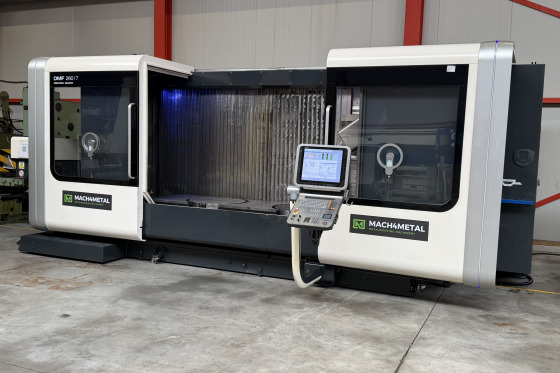
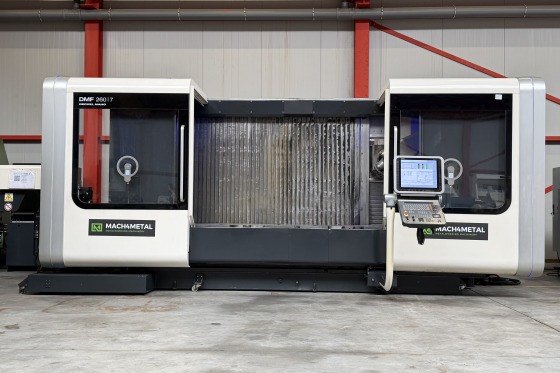
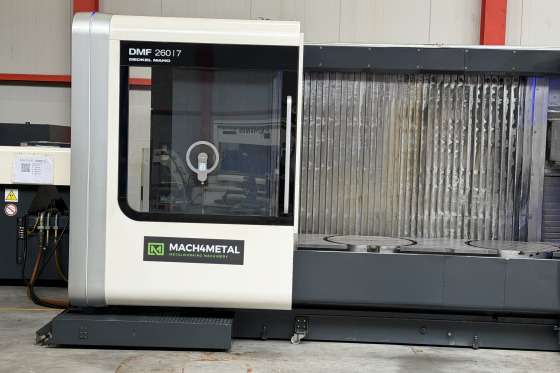
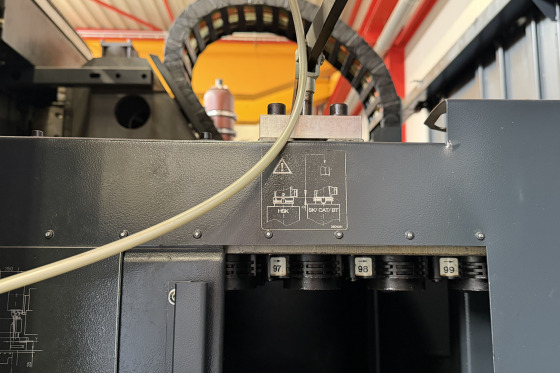
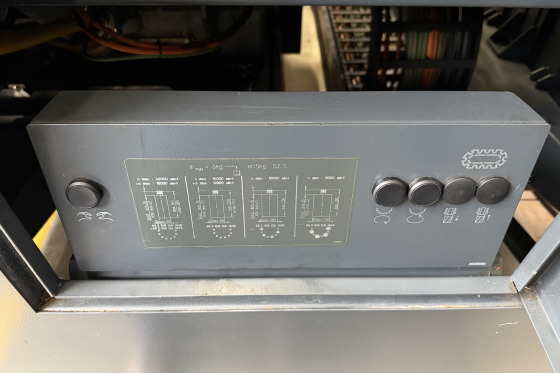
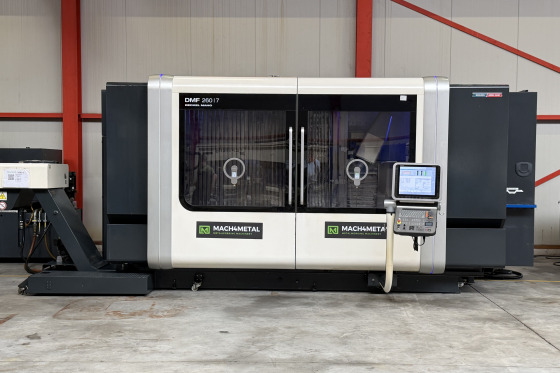
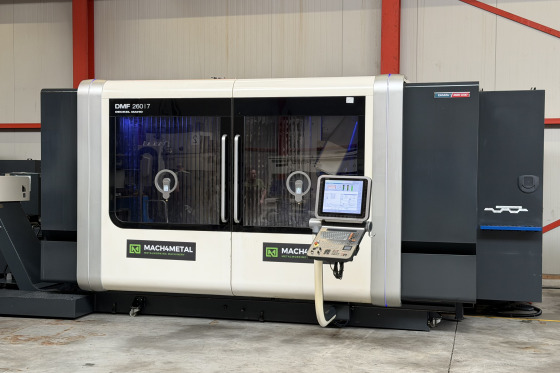
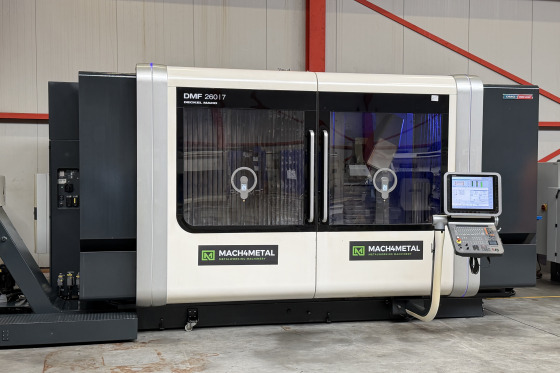
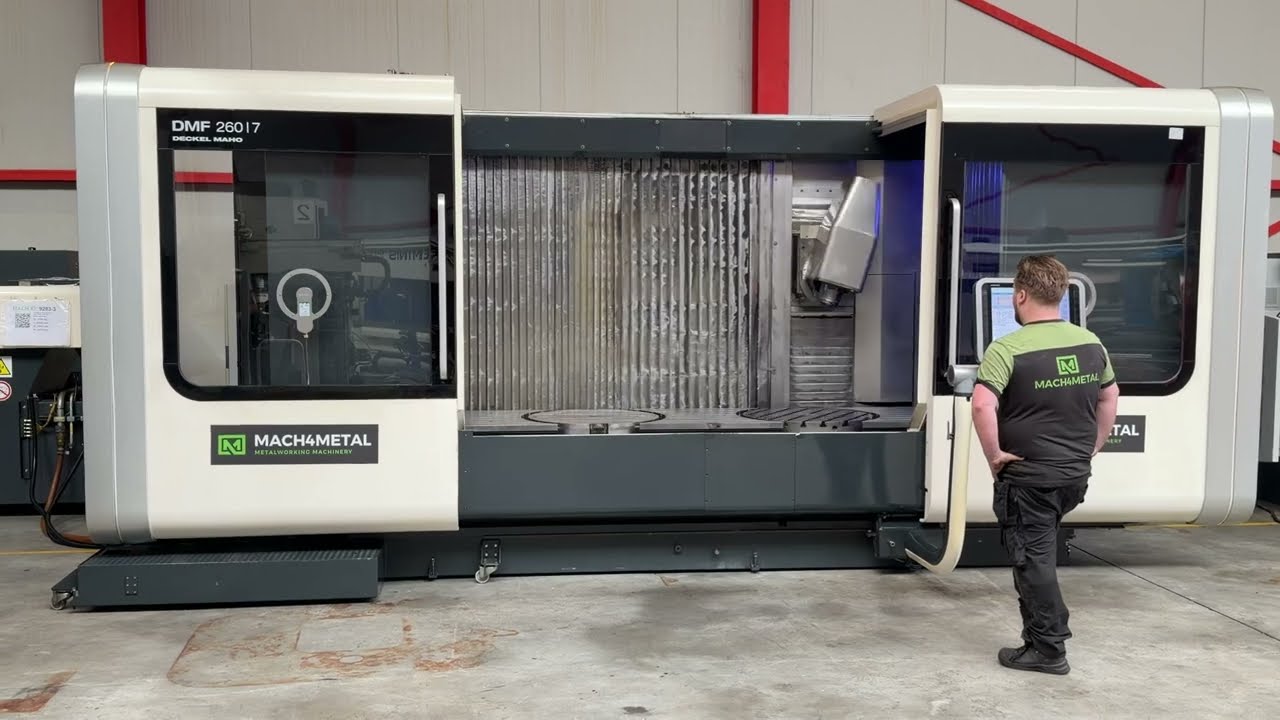
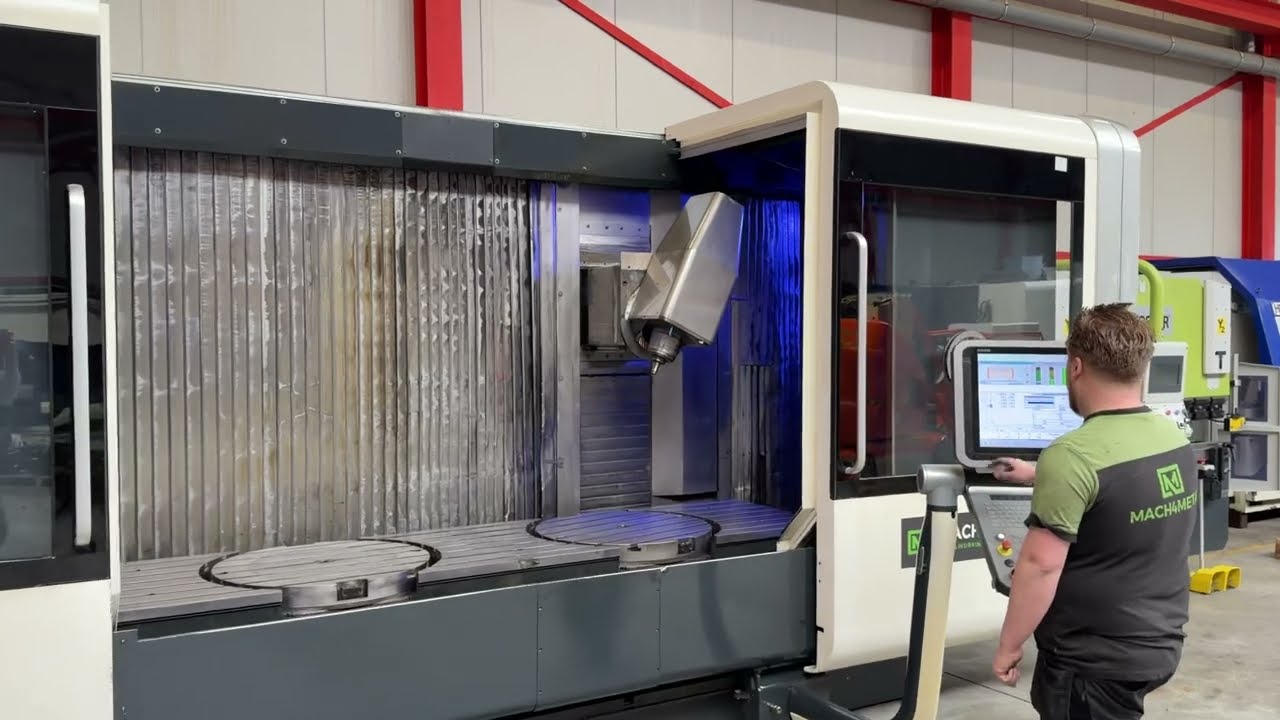
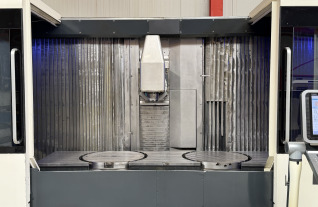
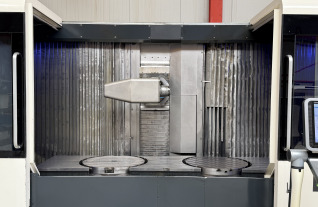
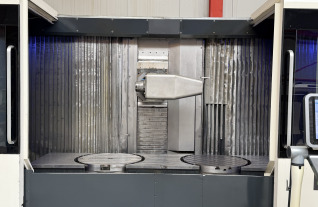
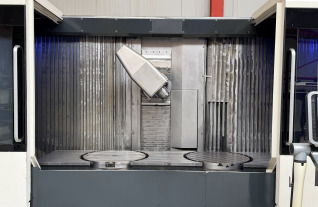
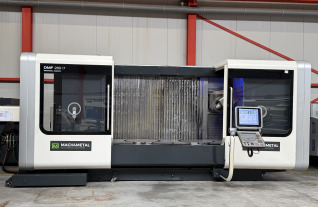
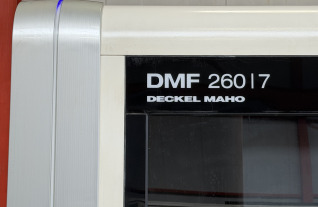
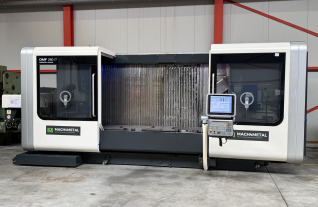
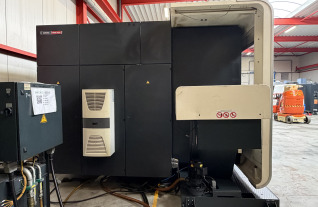
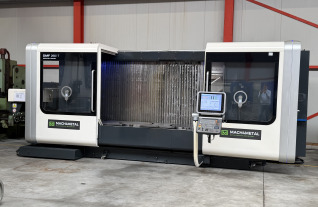
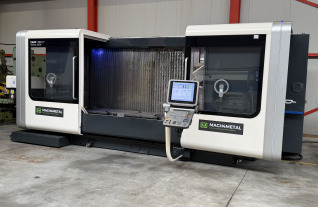
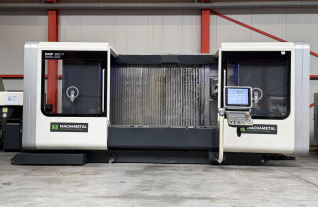
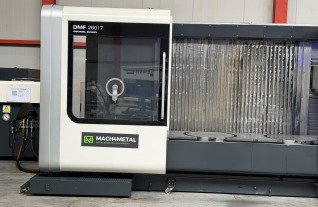
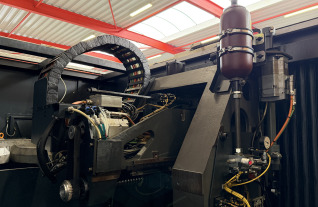
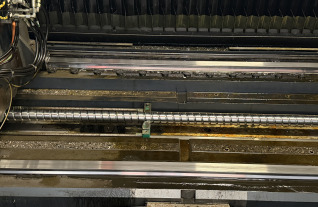
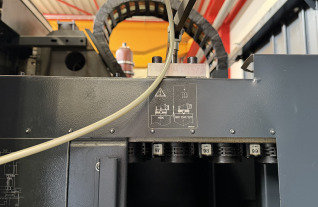
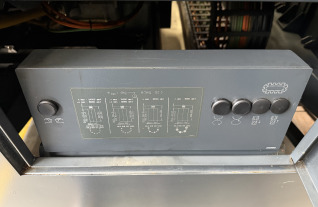
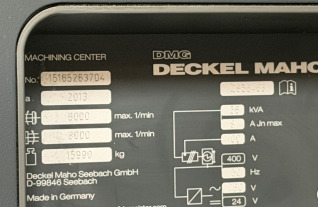
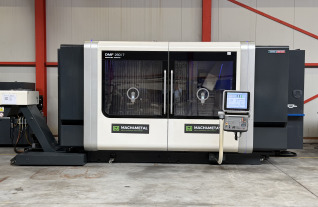
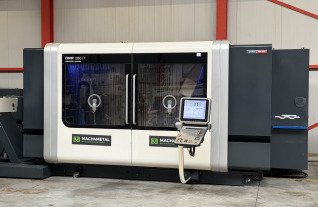
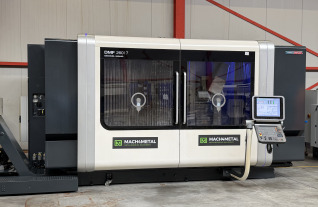
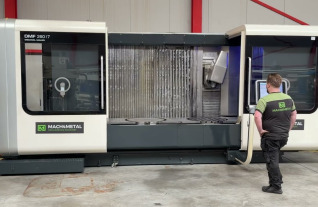
5-ти осевой обрабатывающий центр DMG MORI - DMF 260-7
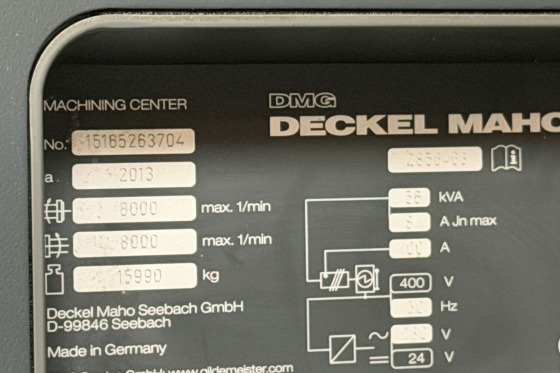
MACH-ID 9609| Производитель: | DMG MORI |
| Тип: | DMF 260-7 |
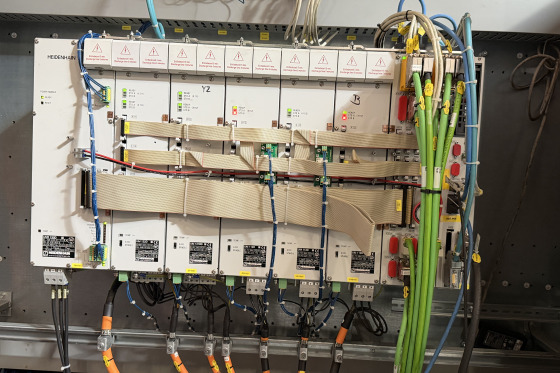
| Контроль: | HeidenHain iTNC530 |
| Год выпуска: | 2012 |
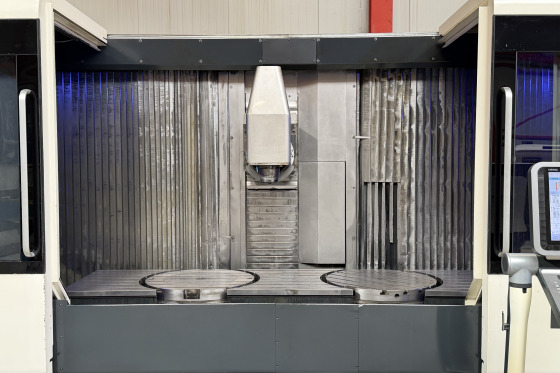
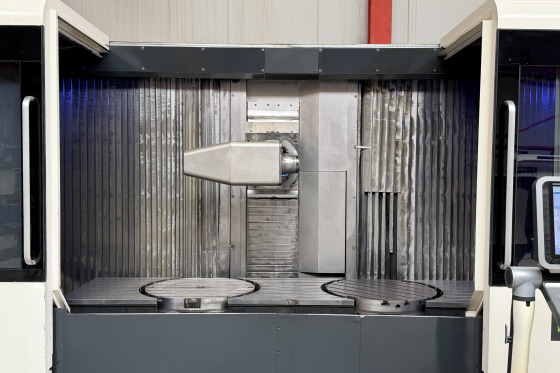
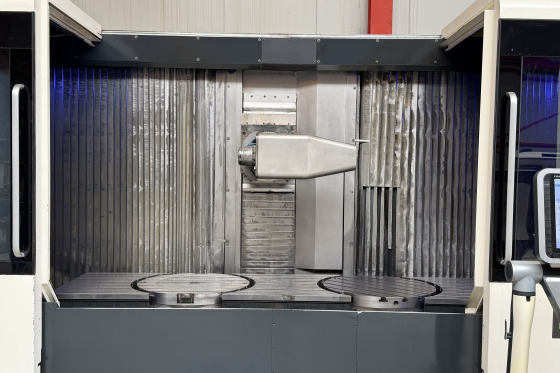
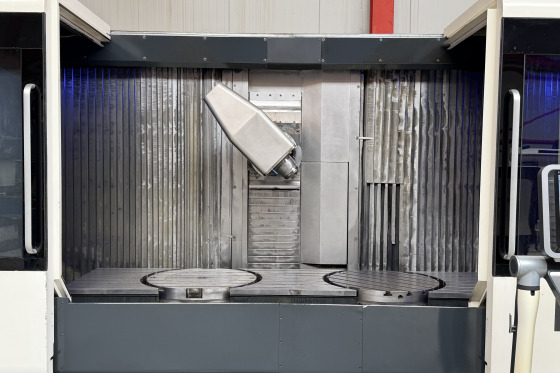
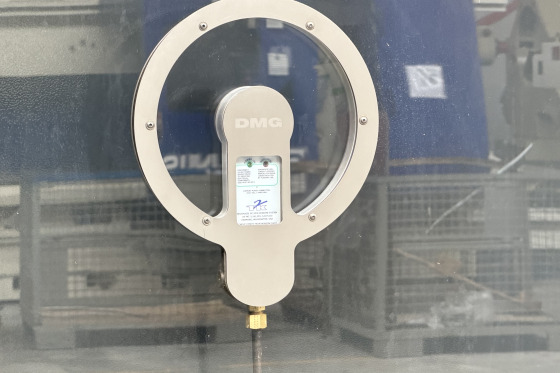
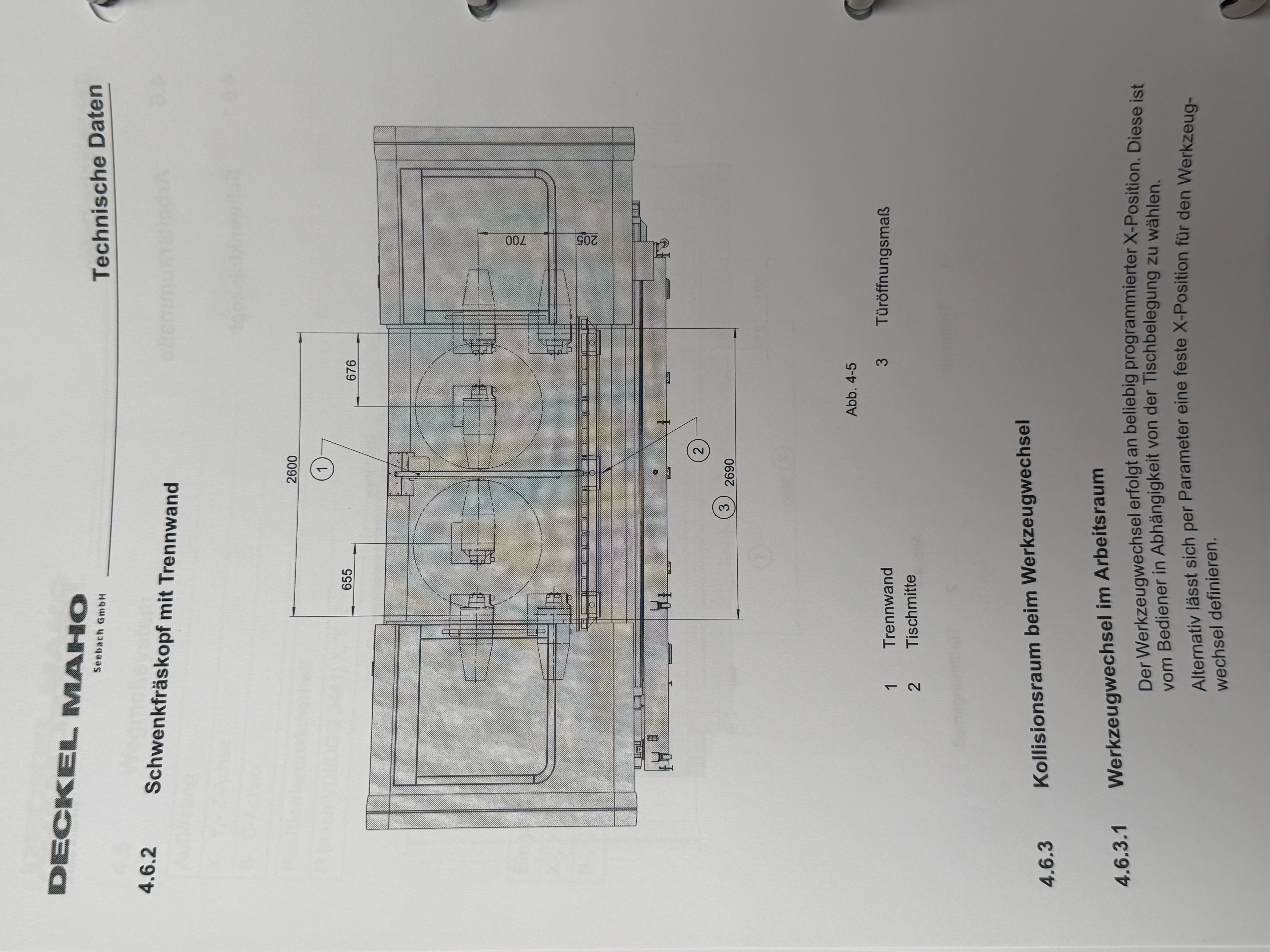
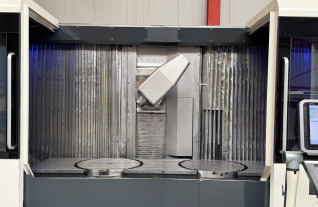
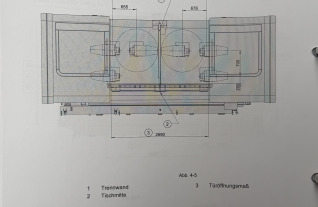
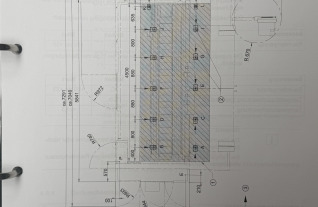
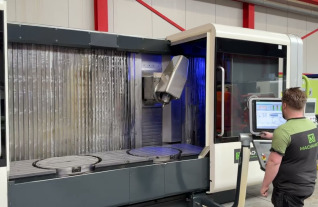
- Pendel screen to split working area
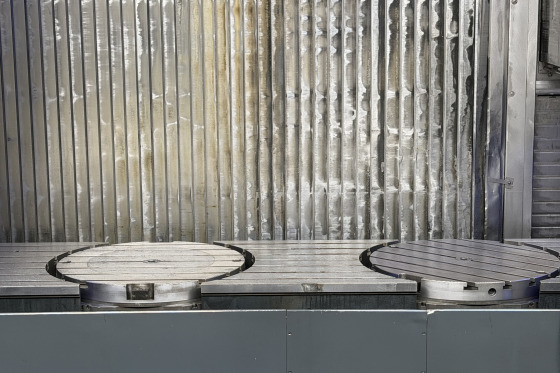
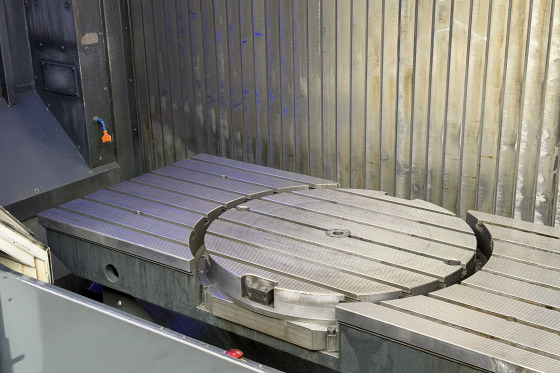
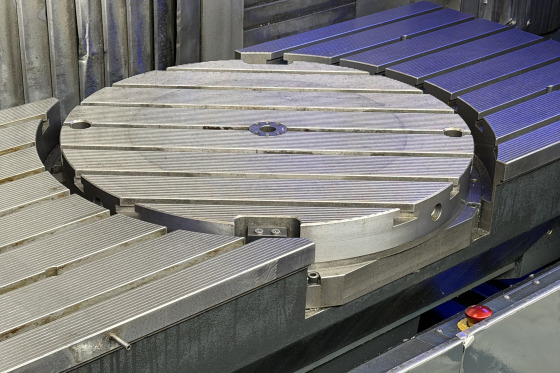
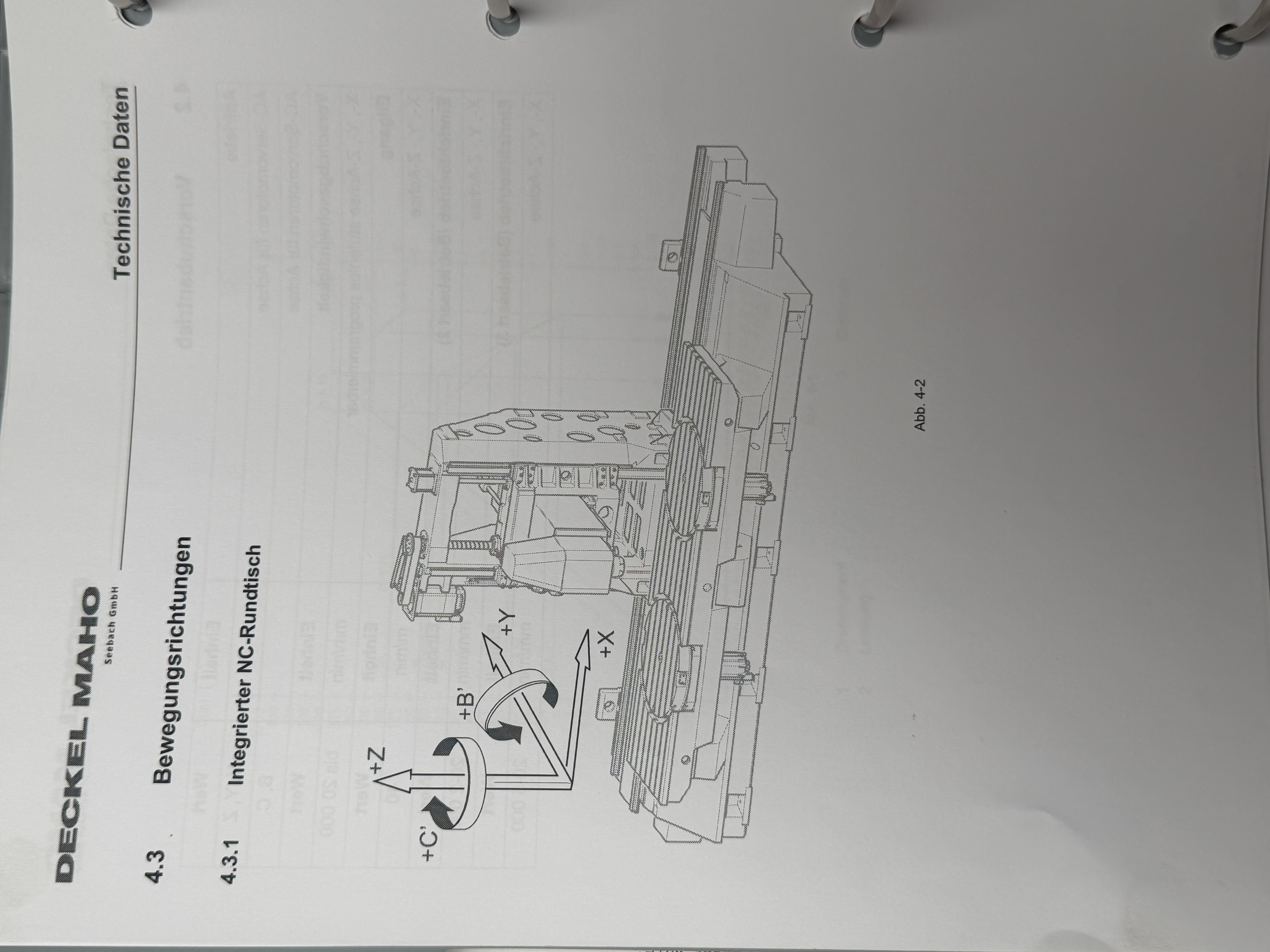
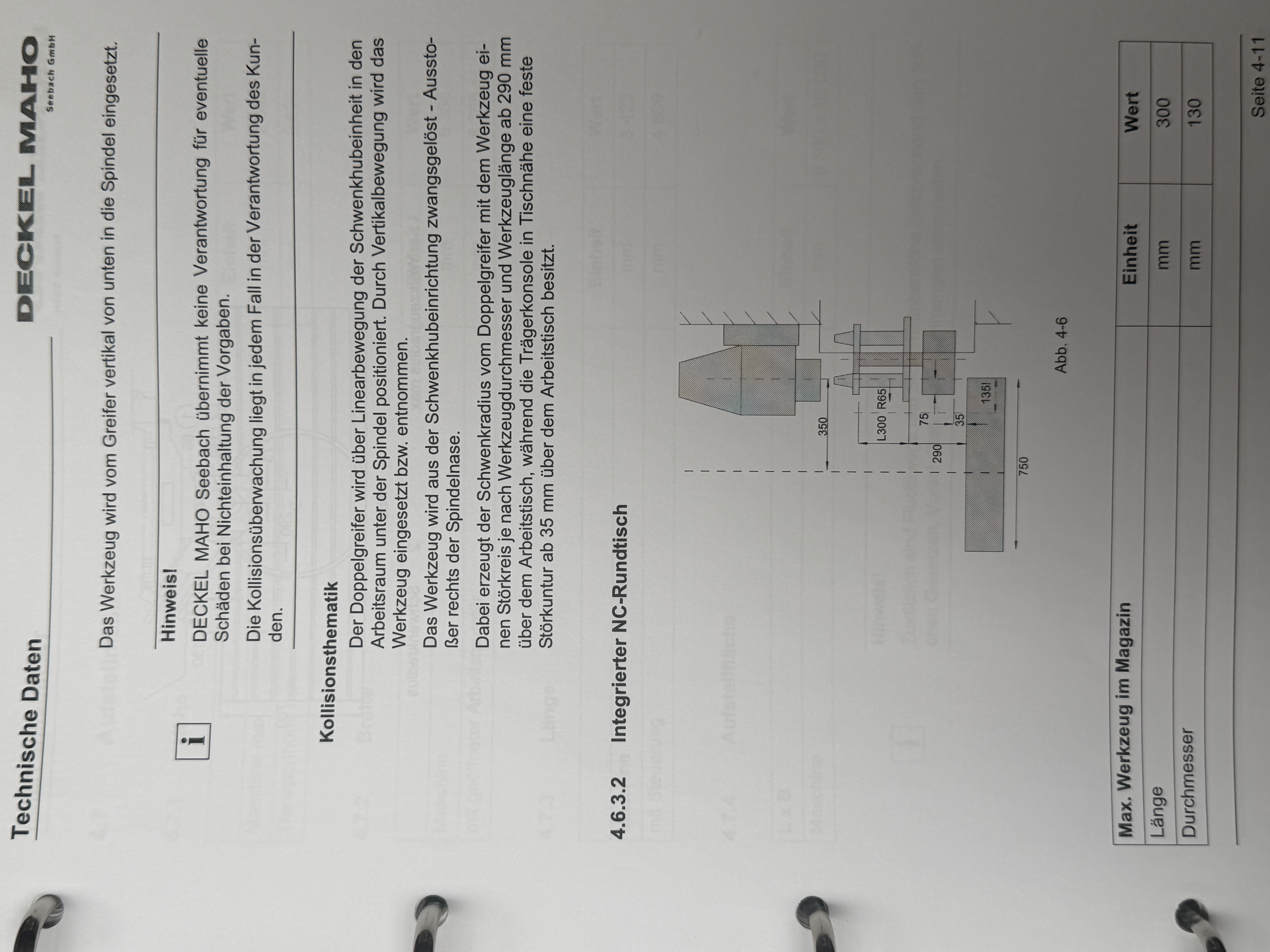
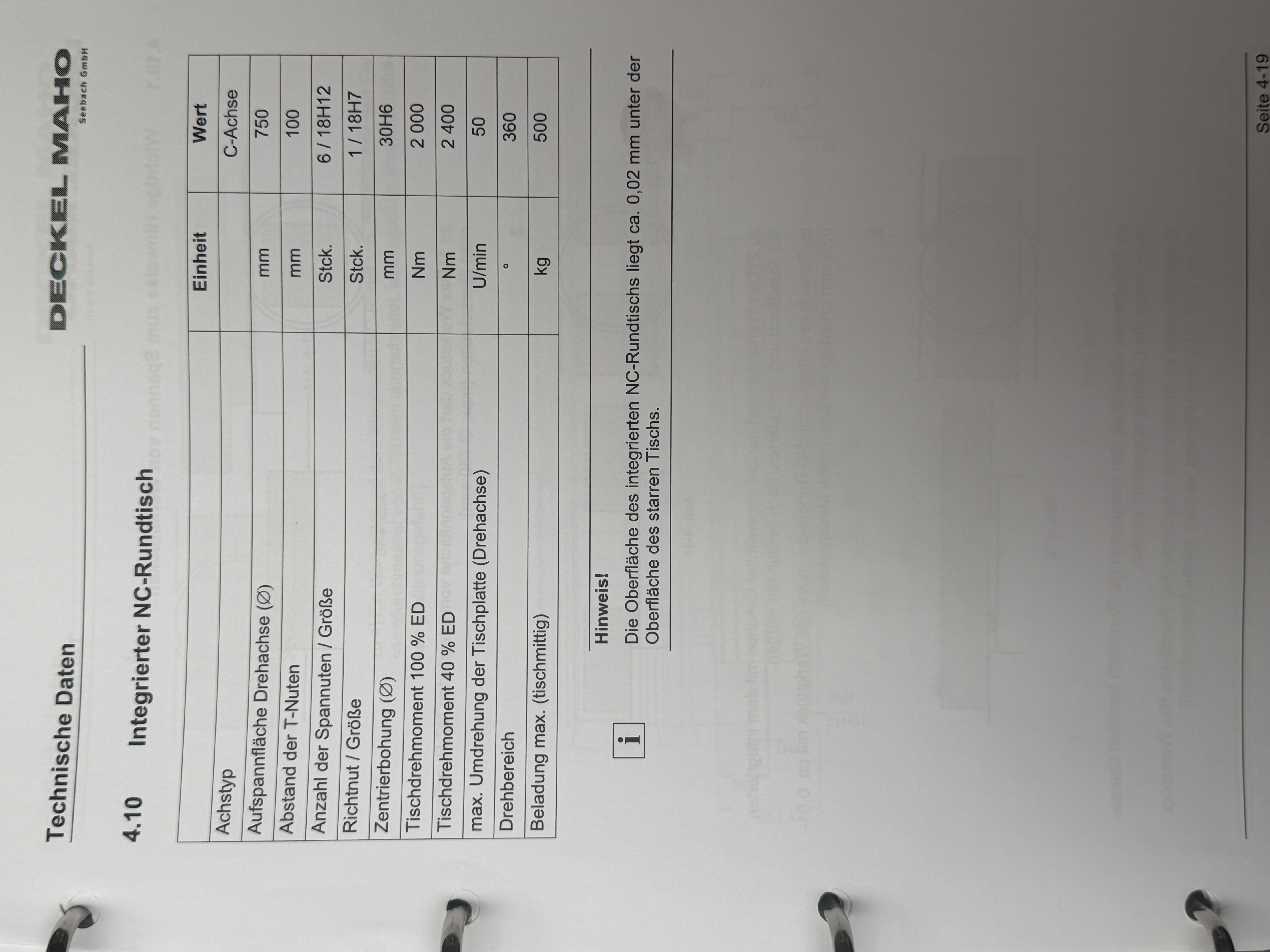
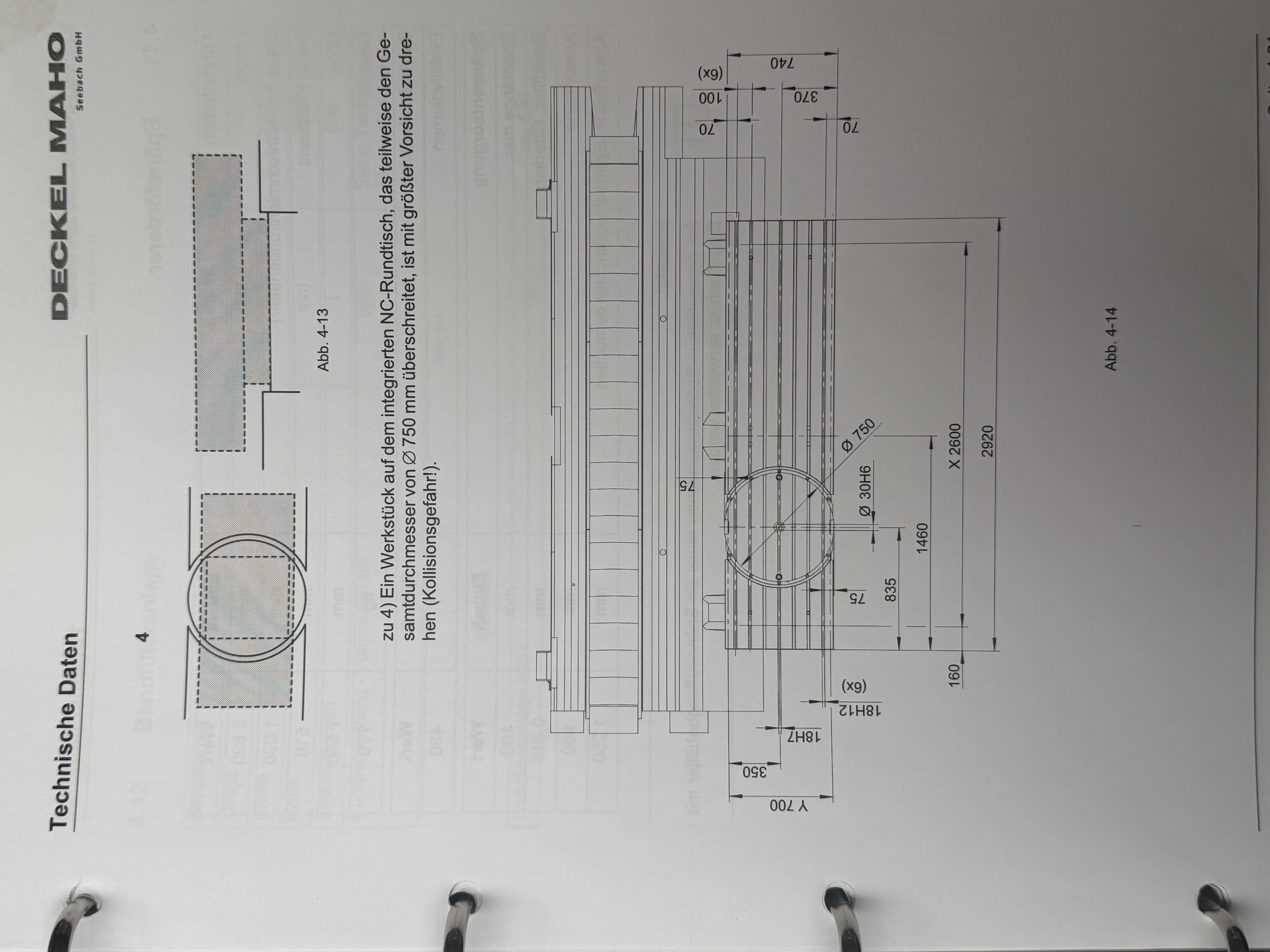
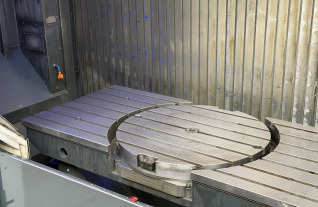
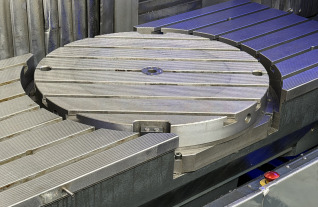
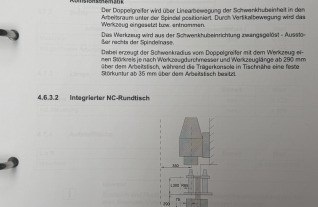
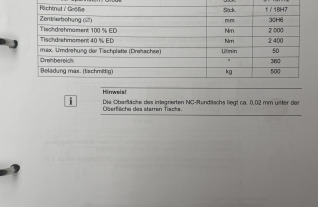
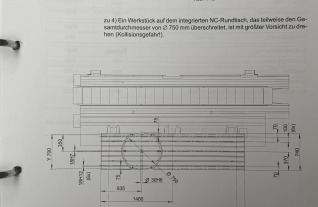
- C1 + C2 Duo (NC) Rotary table Ø 750 mm
- Rotation speed table 50 Rpm indexing 360 Degrees
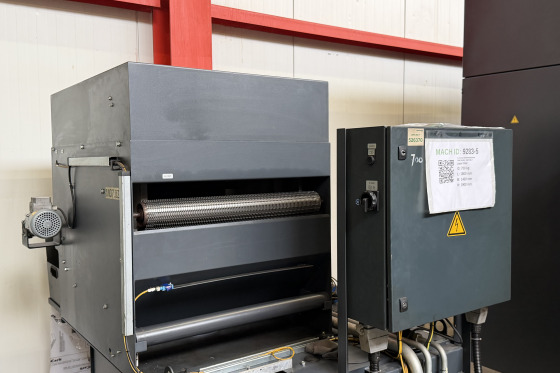
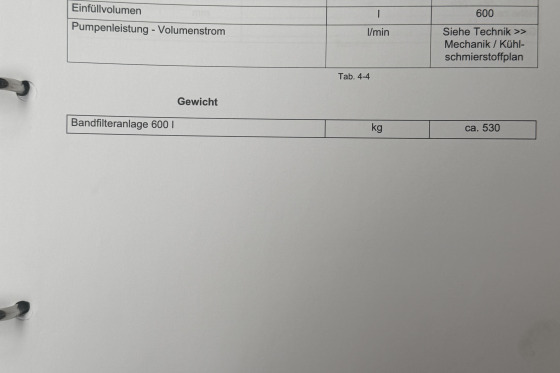
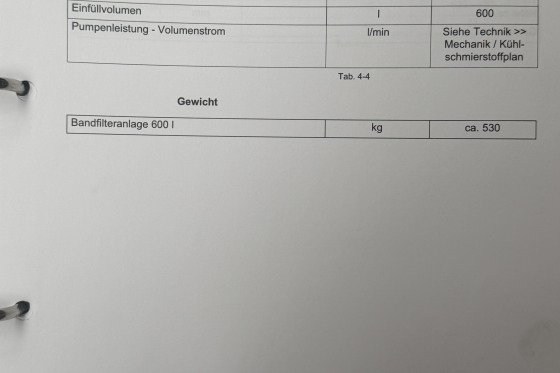
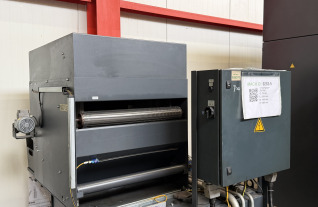
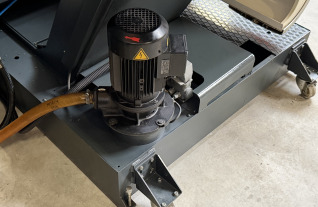
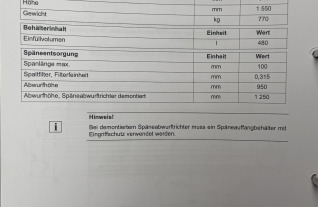
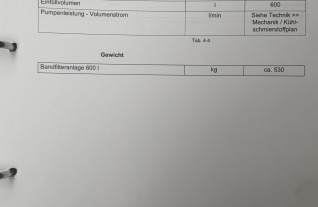
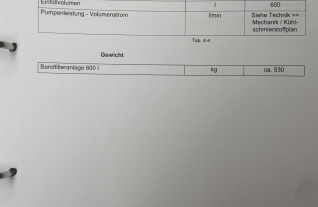
- Paper filter with IKZ 40 Bar
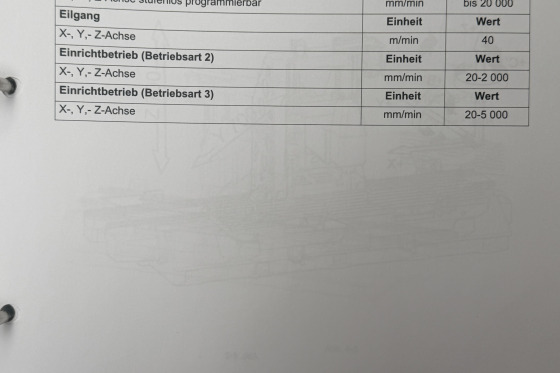
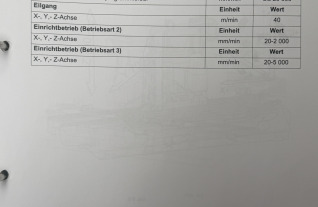
- Rapid feeds in all direction 20.000 mm/Min
- Work load 8000 Kg
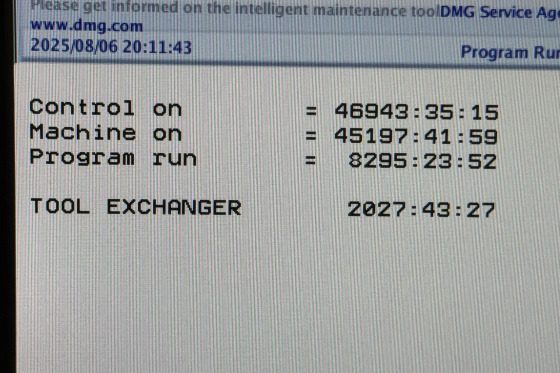
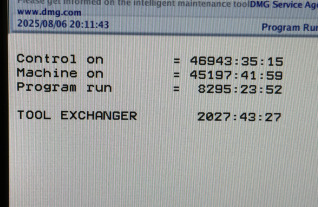
- Spindel (cutting) hours 8295 H
Спецификации
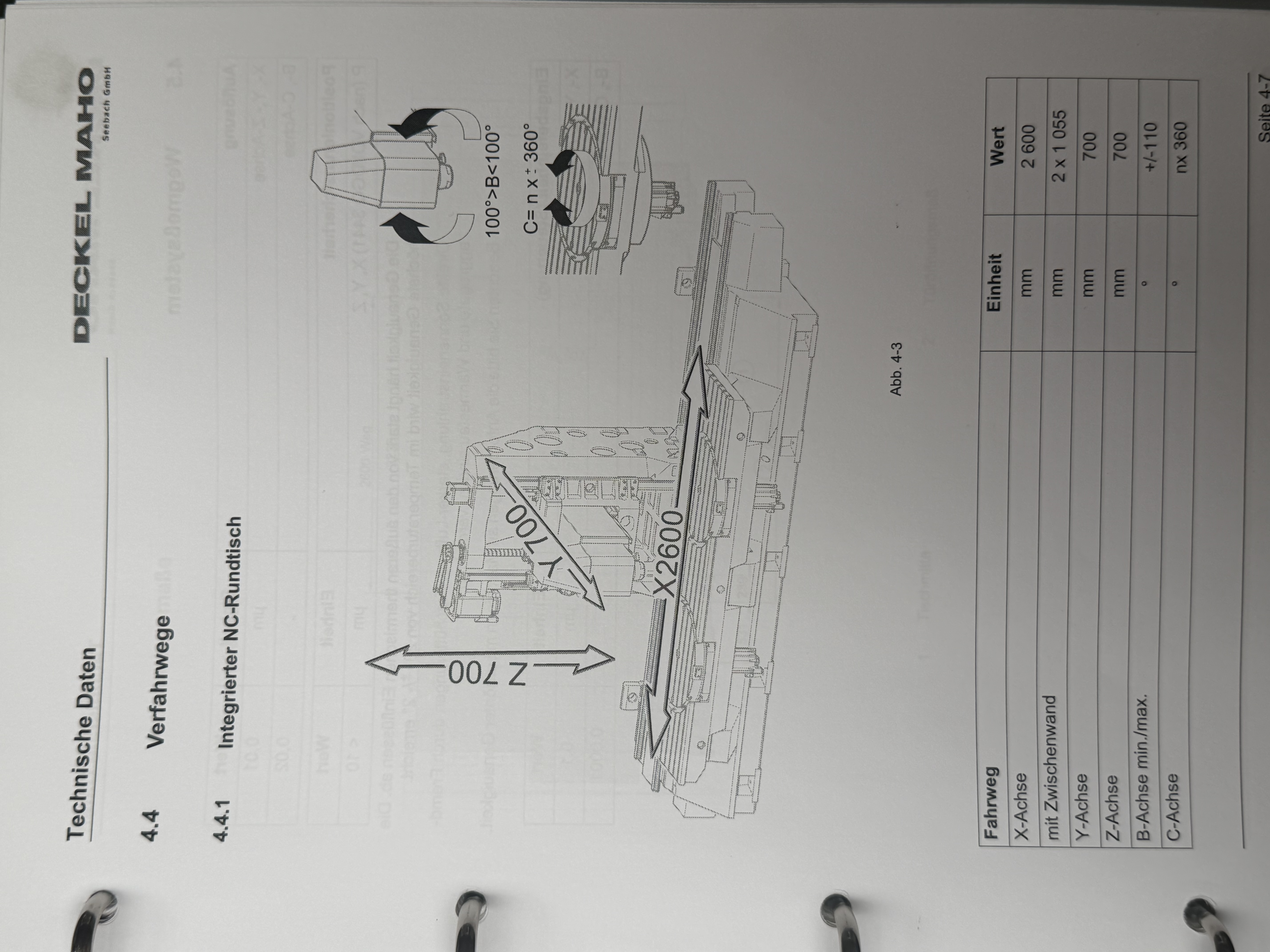
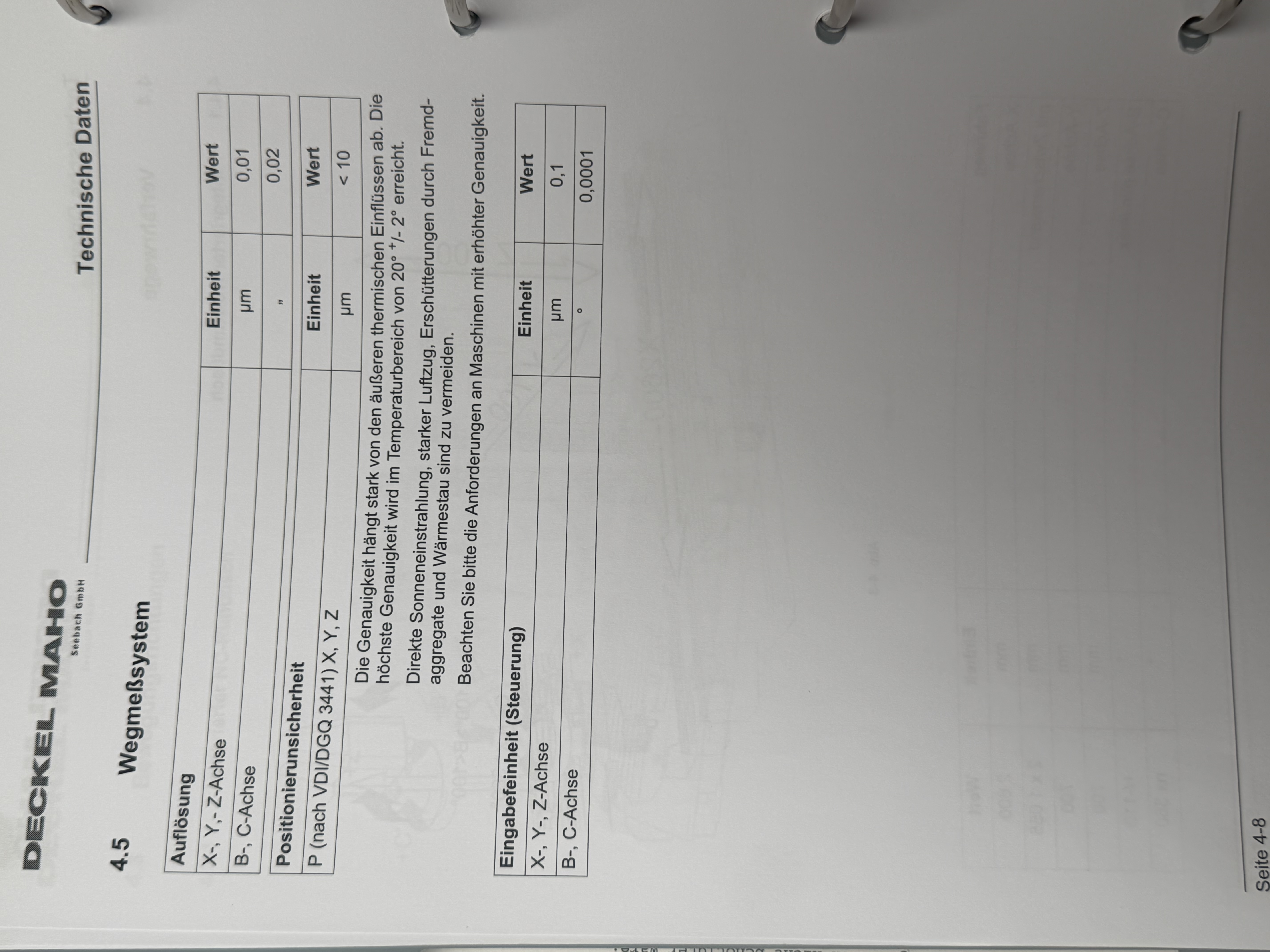
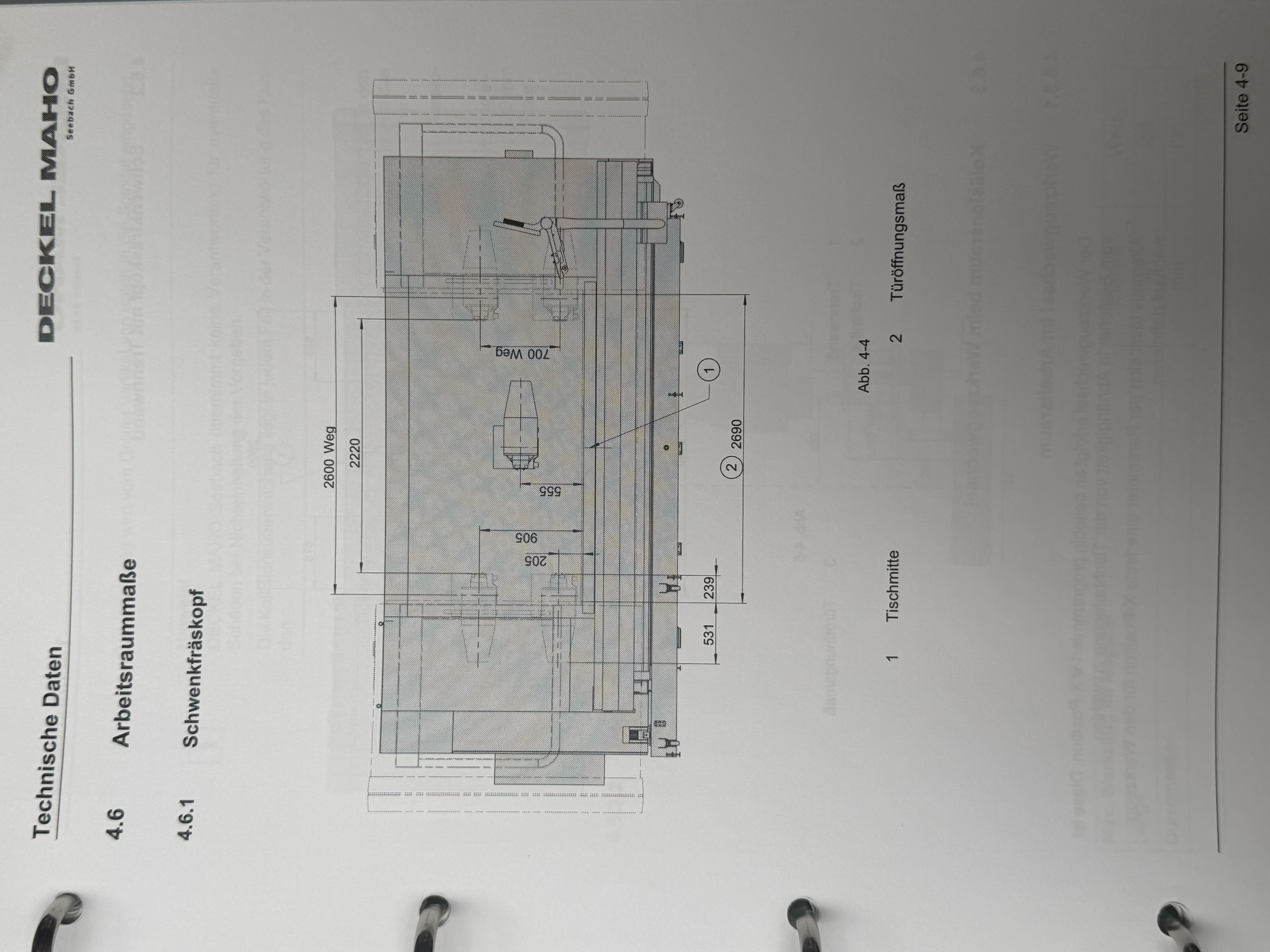
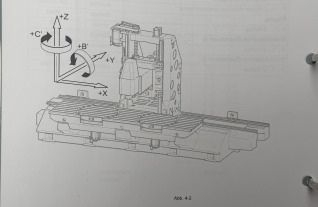
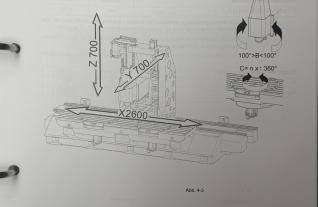
Х ось
2600 mm
102.362 inch
Y ось
700 mm
27.559 inch
Z ось
700 mm
27.559 inch
А ось
360000 °
360000 °
В ось
- 110 to + 110 °
- 110 to + 110 °
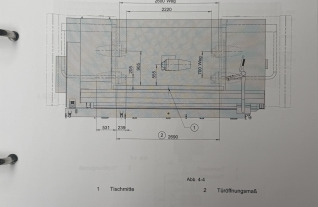
Длина стола
2900 mm
114.173 inch
Ширина стола
750 mm
29.528 inch
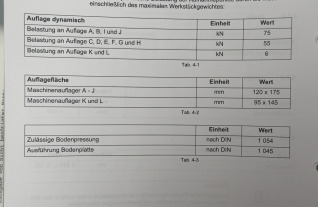
Нагрузка на стол
2150
2150
Стол Ø
750 mm
29.528 inch
Скорость подачи Х ось
40000 mm/min.
40000 mm/min.
Скорость подачи Y ось
40000 mm/min.
40000 mm/min.
Скорость подачи Z ось
40000 mm/min.
40000 mm/min.
Конус шпинделя
40 ISO/Bt/Mk
40 ISO/Bt/Mk
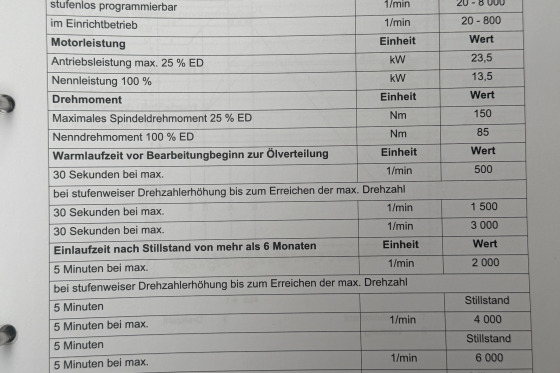
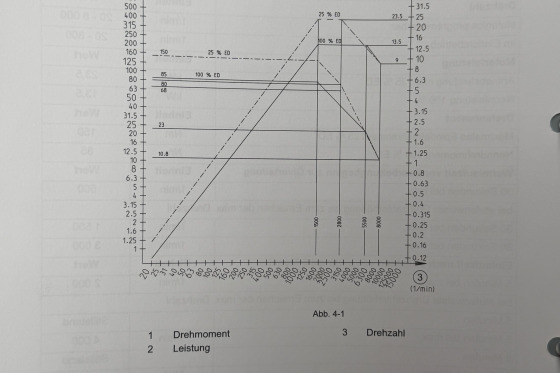
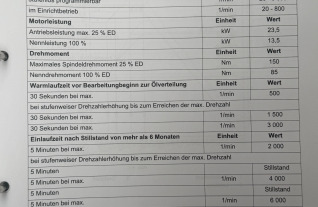
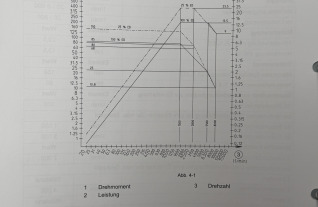
Мощность шпинделя кВт
35 kW
35 kW
Диапазон оборотов
8000 Rpm
8000 Rpm
Магазин инструмента
30
30
Охлаждение шпинделя
20
20
Кол-во управляемых осей
5
5
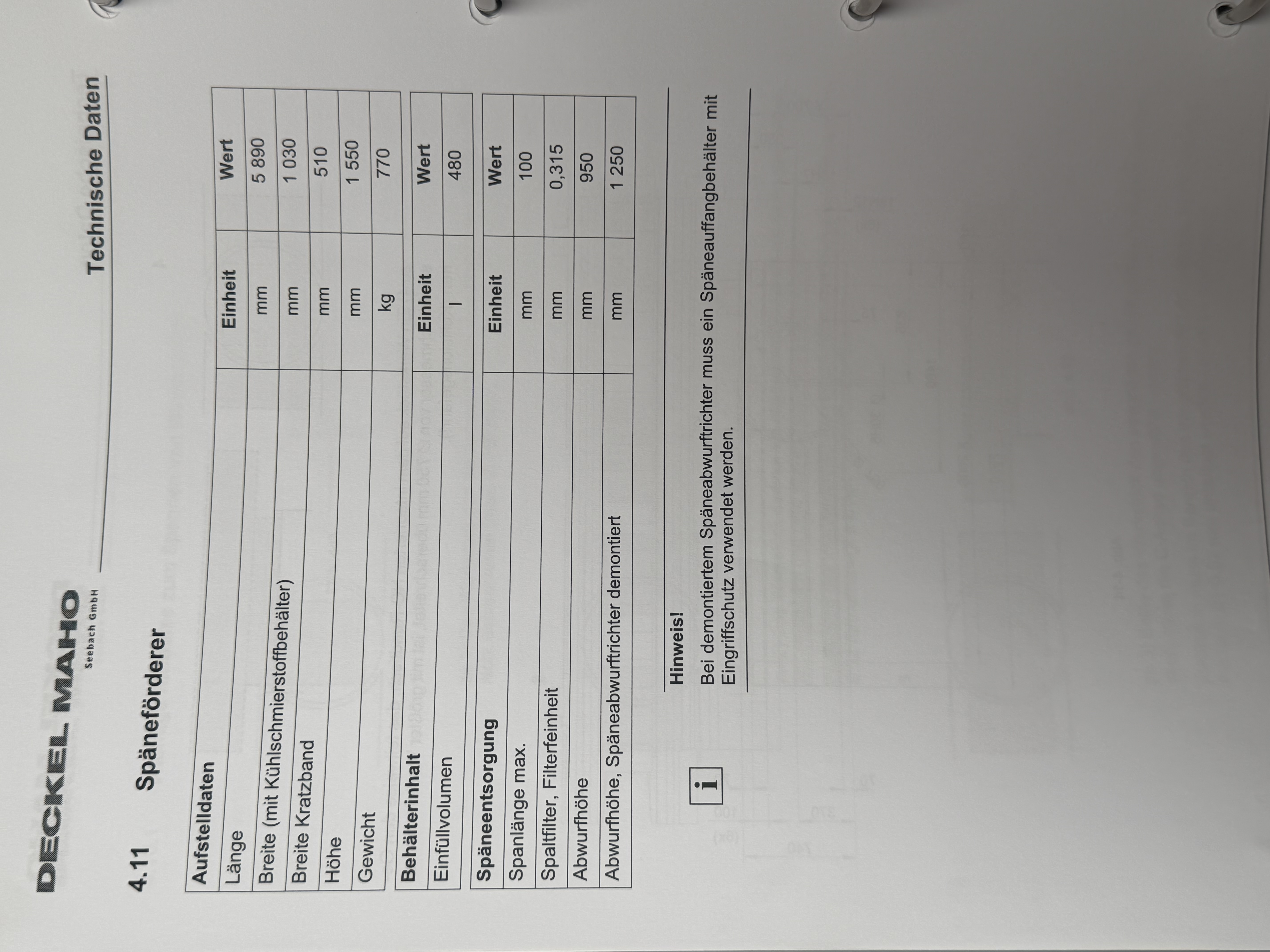
Конвейер для стружки
Yes
Yes
СОЖ
Yes
Yes
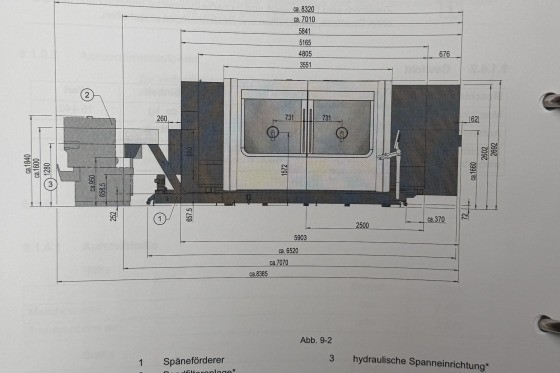
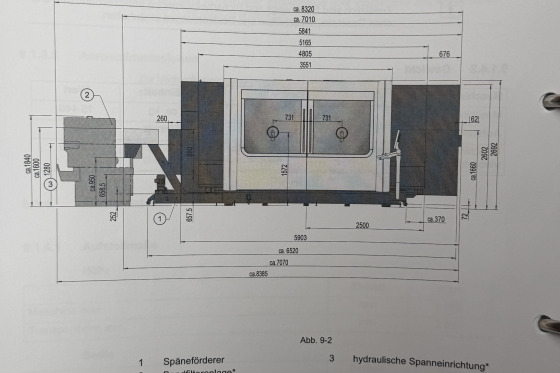
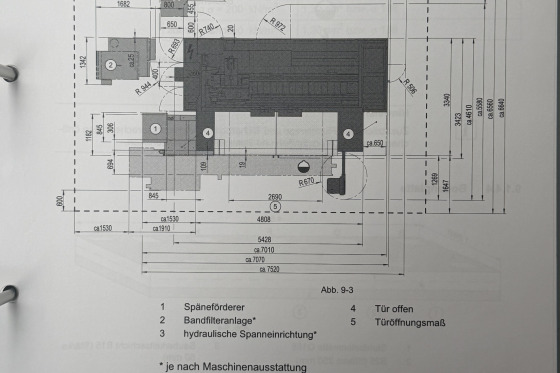
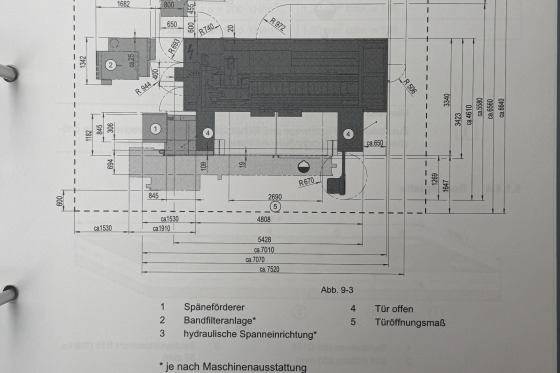
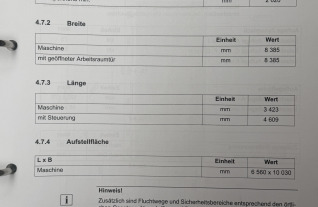
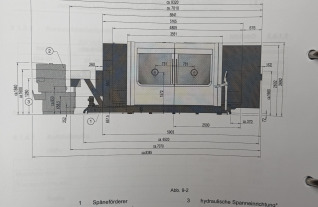
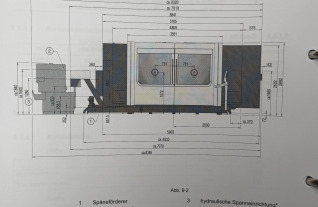
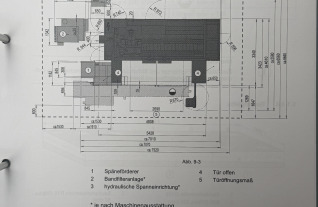
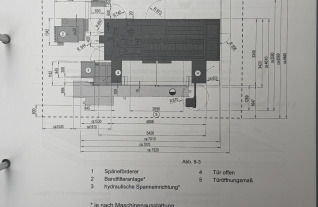
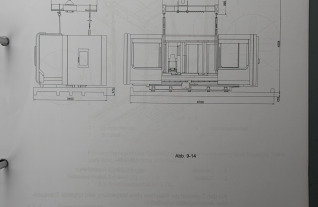
Размеры (Оценивать)
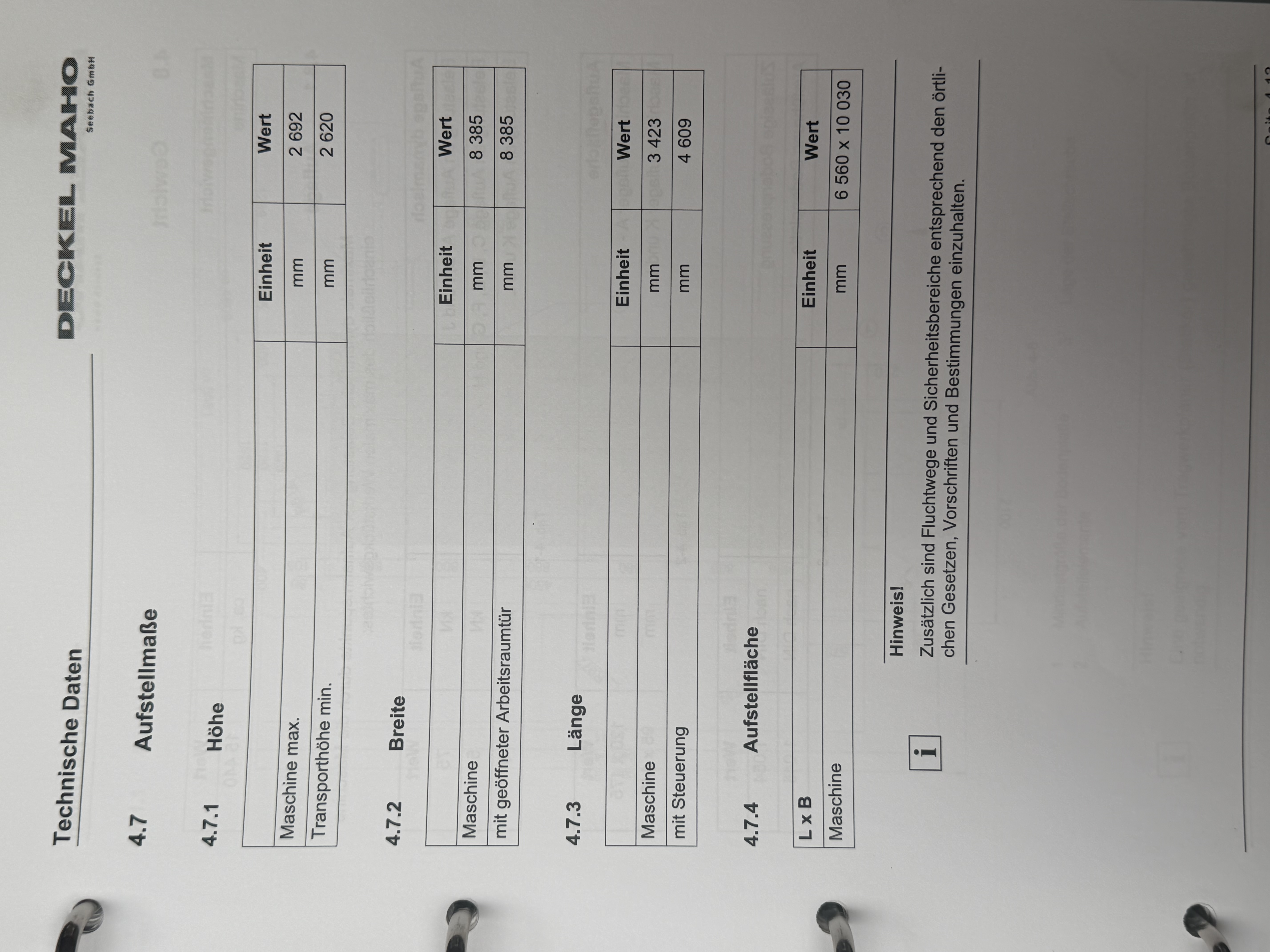
Длина
8400 mm
330.708 inch
Ширина
3423 mm
134.764 inch
Высота
2620 mm
103.149 inch
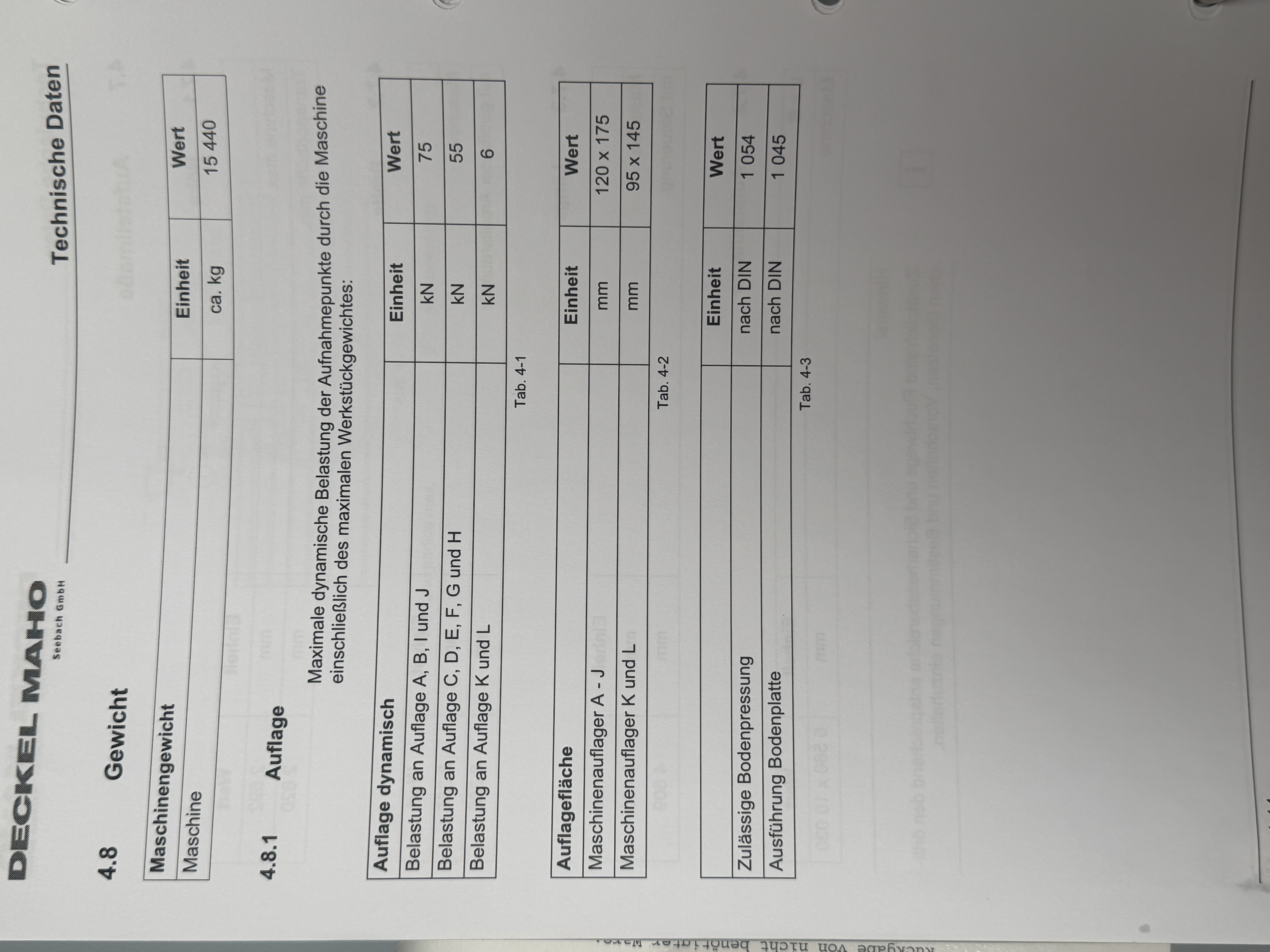
Вес
16000 kg
35289.9 lbs
Обратите внимание: Информация на странице была получена по мере наших возможностей от производителей, где это возможно.Она размещена добросовестно, но ее точность не может быть гарантирована. Соответственно, это не является показателем или договорными условием. Мы советуем уточнить все спецификации!
11.540,7 kg
CO2
будет сохранено при покупке этой машины
Это эквивалентно:
5,77
обратные рейсы из Amst - Нью-Йорк
57.703,00
километры на дизельном автомобиле
12.823,00
километры с грузовиком
0,29
новостройки
What it’s used for (why 2 tables?)
1. Continuous production (very important)
- While part A is being machined,
- The operator can load/unload part B on the second table
👉 This is called pendulum machining (or twin setup)
✔ reduces downtime
✔ increases productivity a lot
2. Machine two parts at once
- Same program can run on both tables
- Ideal for batch production
3. Flexible setups
- One table: small parts
- Other table: large or different part
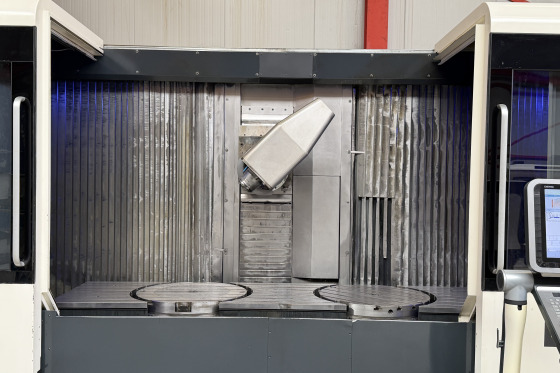
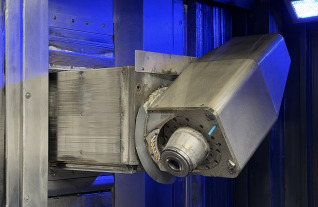
4. Full 5-axis machining
Combined with:
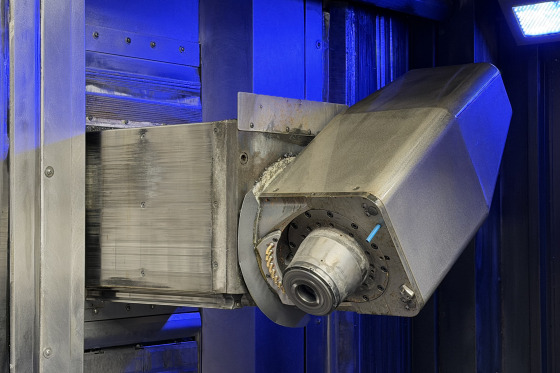
- B-axis spindle (tilting head)
- C-axis rotary tables
You get full multi-angle machining in one setup
Example specs (with rotary table)
- Table diameter: ~750 mm
- Rotation: 360° continuous
- Load: up to ~500–2000+ kg depending on setup
Typical industries using Duo rotary setup
Same as standard DMF—but more production-focused:
Aerospace
- Multiple identical components (brackets, housings)
Automotive
- Series production of engine parts
Tool & mold making
- Run 2 molds alternately
General machining shops
- High-mix production with minimal downtime
Jobs that use this setup
- CNC operator → loads one table while other runs
- CNC programmer → programs twin setups / mirrored cycles
- Production engineer → optimizes cycle time
Simple explanation
👉 A DMF 260/7 with Duo NC rotary table is:
“A large 5-axis CNC machine that can rotate TWO parts and work on them alternately or simultaneously to save time.”
Why companies pay extra for this option
Because it:
- Cuts idle time almost to zero
- Doubles throughput in some cases
- Makes the machine much more efficient


